What Are The Three Golden Rules Of Kayaking?
The three golden rules of recreational kayaking, explained for Sydney Harbour: torso rotation, picking the right location, and a capsize plan, plus the NSW safety layer that applies on guided tours.
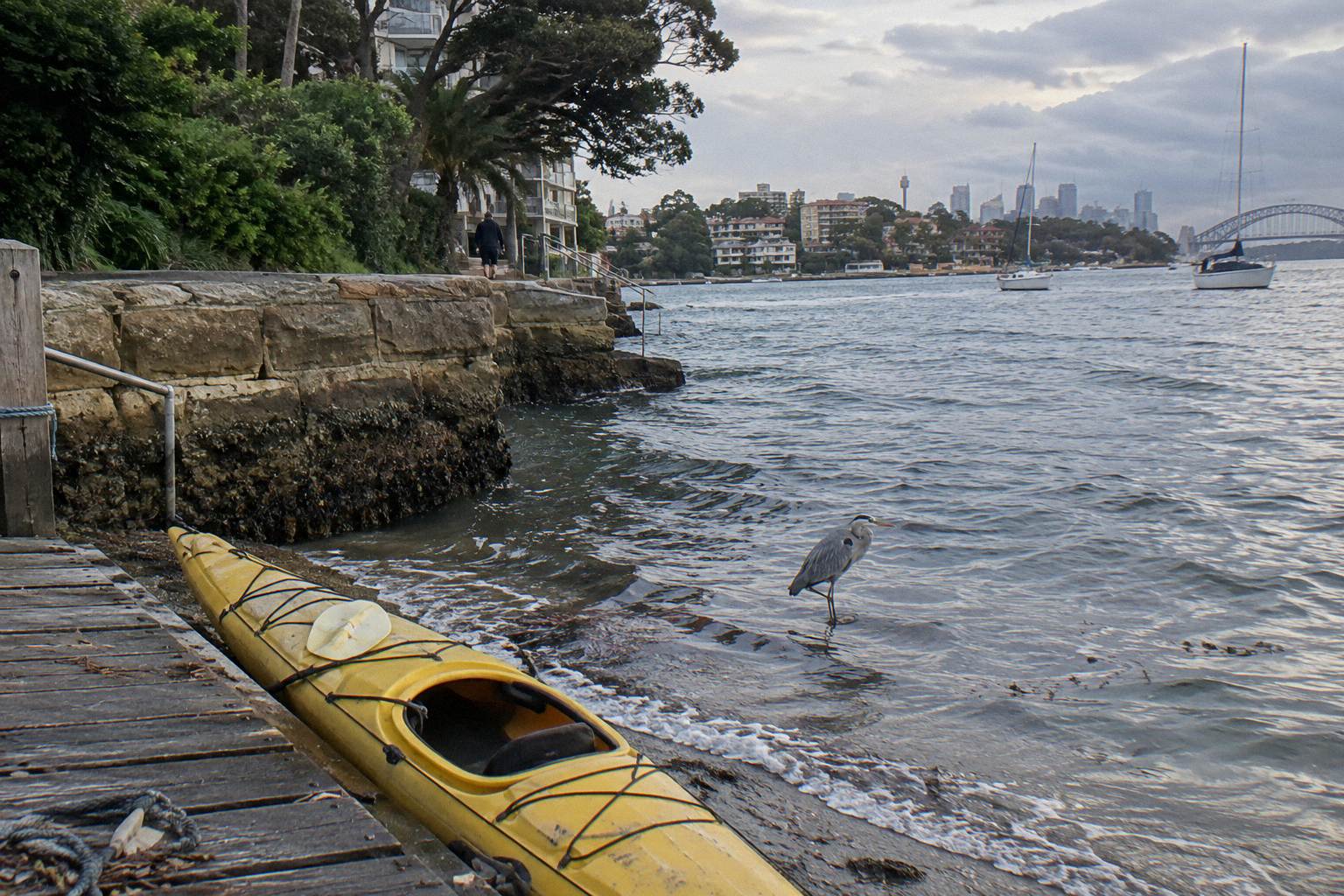
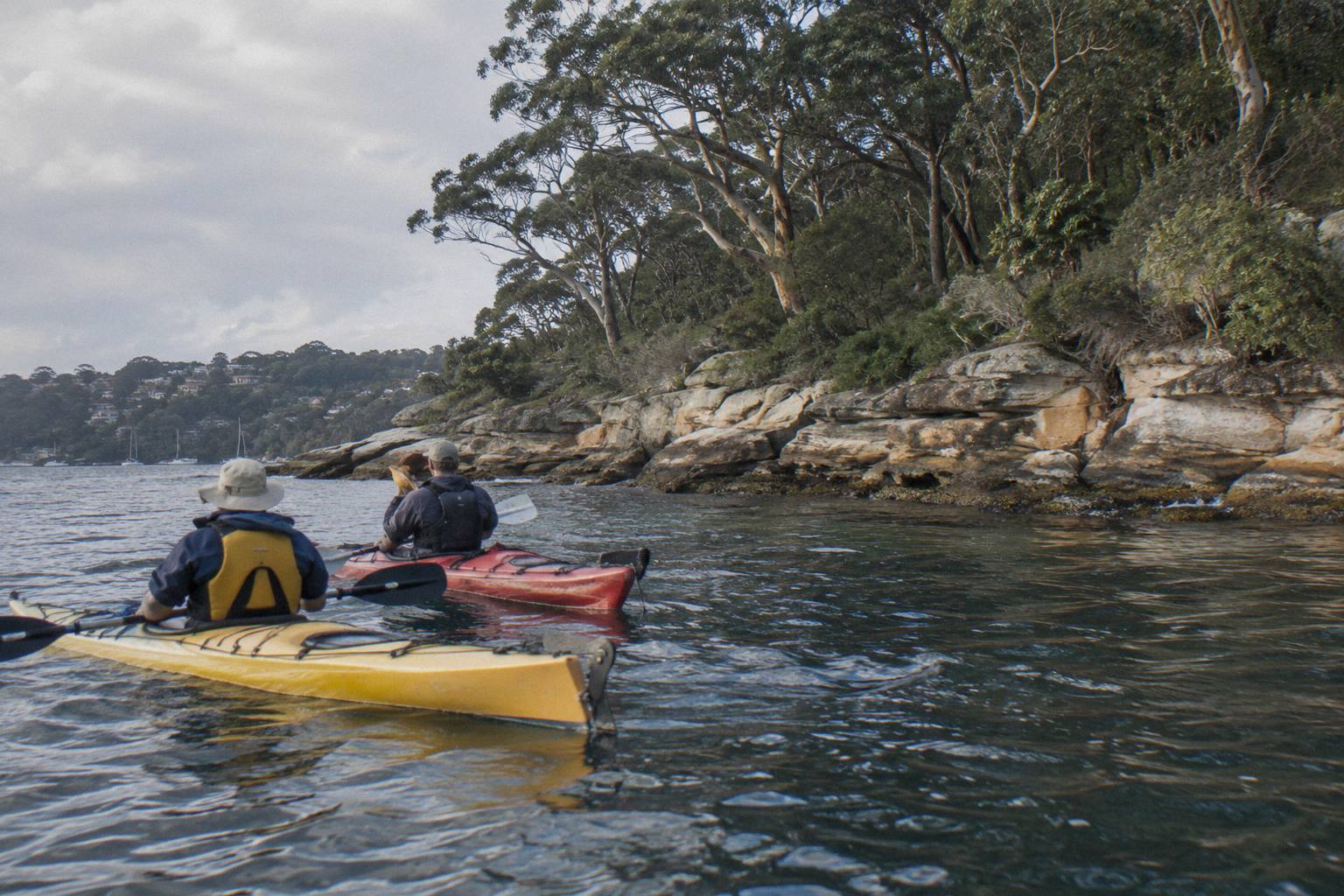
The three golden rules are torso rotation, appropriate location choice, and a capsize plan, as published by the instruction site Paddling.com. Rule one says every stroke should be powered by rotating your torso rather than pulling with your arms. Rule two says you should paddle water that matches your skill, craft and conditions. Rule three says that before you launch, you should know what you will do if the kayak flips. Together they form a compact safety and technique framework that a beginner can actually remember on the water.
The three rules are worth knowing before you book anything, because they tell you what a good tour operator should be doing in the first twenty minutes of your session and what you should be doing for the rest of your paddling life. This article works through each rule in turn, then maps them onto a guided harbour paddle, then covers the NSW rules that apply on this particular waterway, and finishes with the mistakes that catch people out.
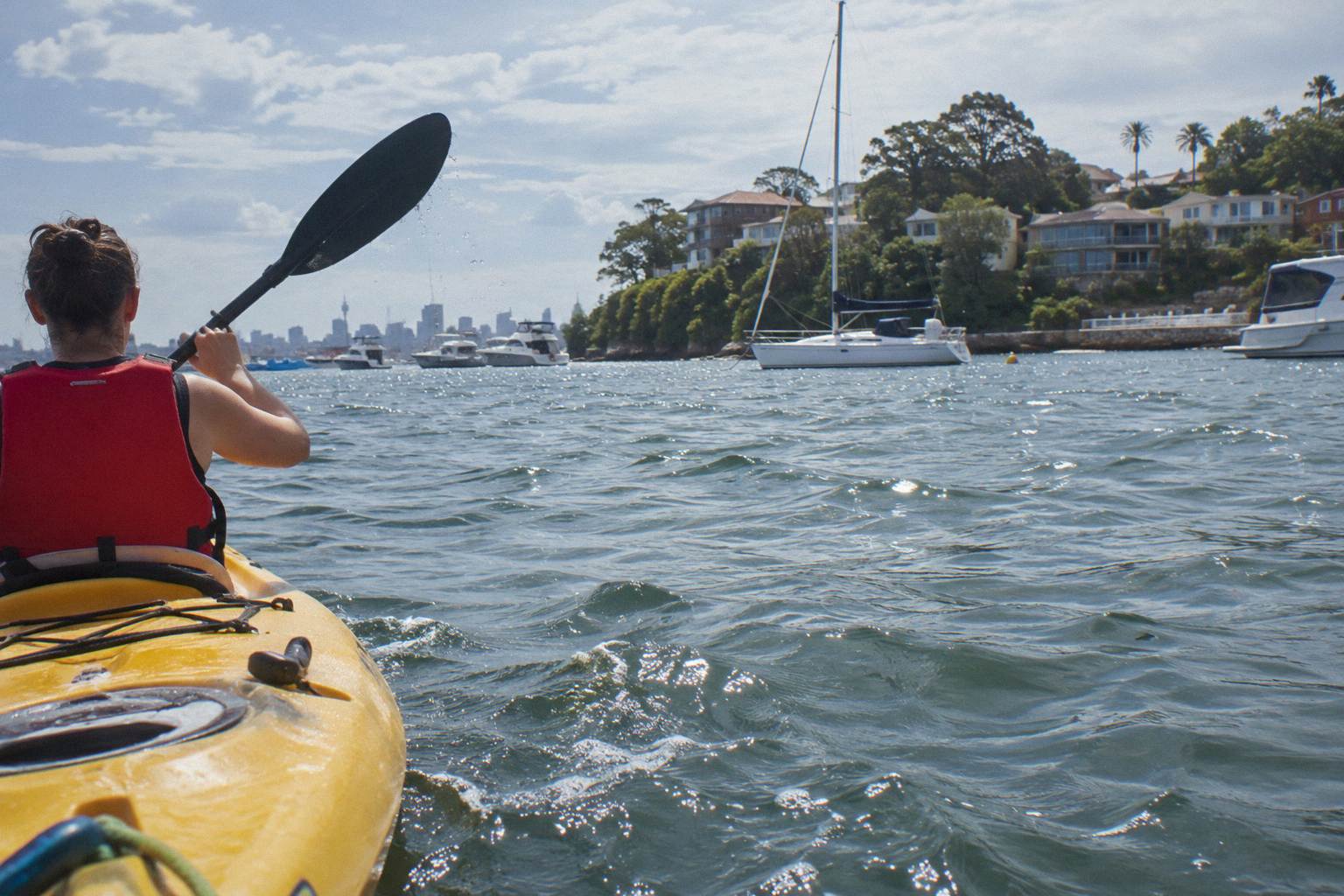
The three golden rules of kayaking, published by Paddling.com in work associated with paddler and educator Ken Whiting, are torso rotation, choosing an appropriate location, and having a capsize plan. In short: power every stroke by rotating your torso instead of pulling with your arms, paddle water that matches your skill, craft, and conditions, and know before you launch exactly what you will do if the kayak flips. They are not laws and not a syllabus; they are one well-known instruction source's compact framework, and they work because each rule removes one of the ways beginners actually get into trouble: tired arms from paddling with the arms alone, water that is beyond their skill, and panic when the boat goes over. On Sydney Harbour a fourth layer sits underneath them, the NSW safety rules on lifejackets, lights and giving way, and a guided tour quietly handles most of it for you.
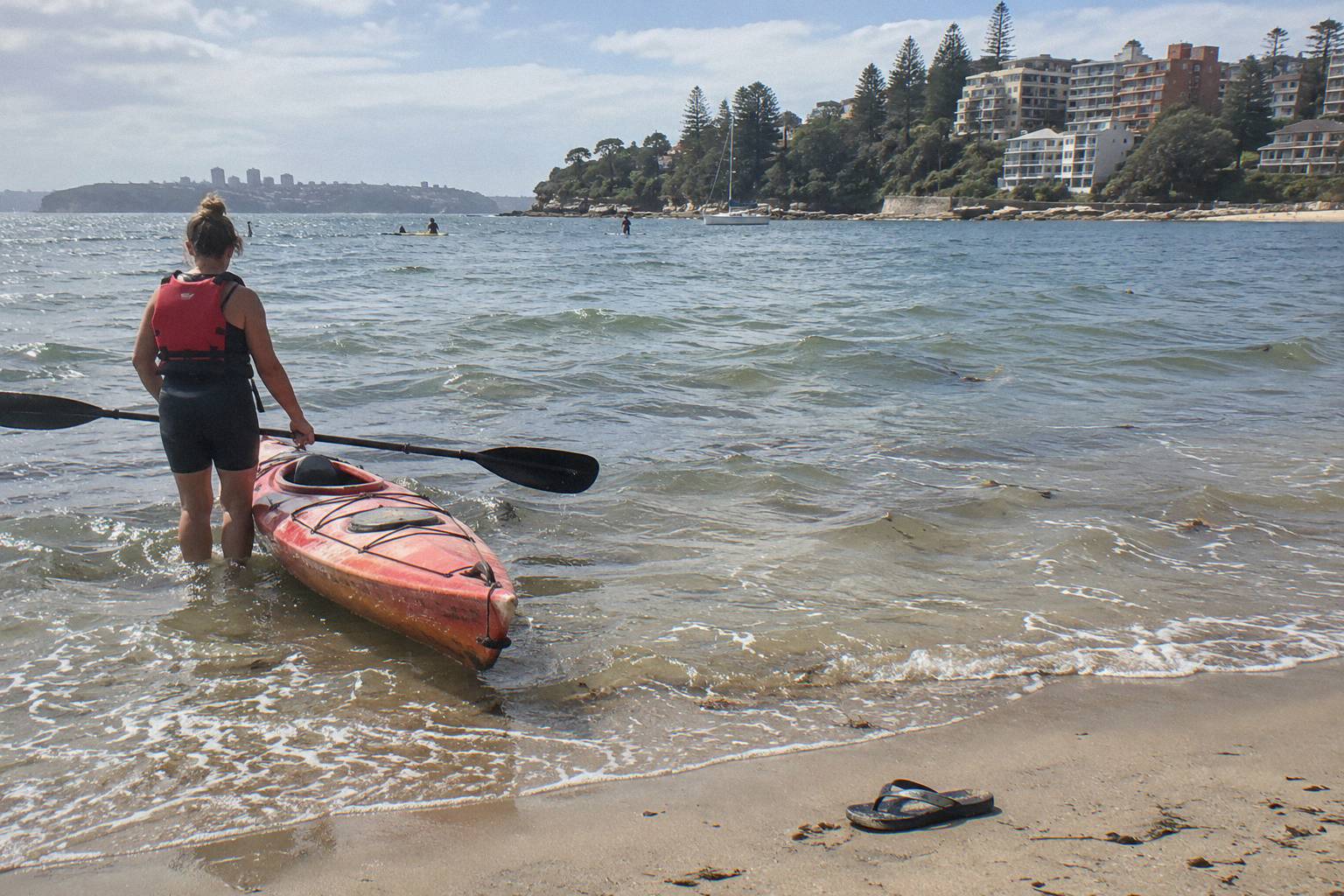
The phrase "golden rules" is marketing language, and it helps to be clear about where it comes from. There is no national paddling body that decreed exactly three rules. Paddling.com presents them as the fundamentals of recreational kayaking, and the reason the formulation has stuck is that it bundles technique, judgment and rescue into one memorable triad. If you are deciding whether a guided tour is right for you, the three rules are a good lens: a tour that addresses all three in its briefing is doing its job, and a tour that addresses none of them is a warning sign.
Each rule also answers a question a nervous beginner actually asks. Torso rotation answers "will I be too tired or too weak to do this?". Location choice answers "is this water safe for someone at my level?". The capsize plan answers "what happens if I go in?". A Sydney Harbour guided tour answers the same three questions with a briefing, a route chosen by a local guide, and a guide who attends any capsized paddler, which is why the rules and the tour are worth reading together.
Rule One: Use Torso Rotation For Every Stroke
Torso rotation means turning your trunk, hips through shoulders, to drive the paddle, instead of pulling the blade through the water with bent arms. Paddling.com lists it as the first golden rule because arm-only paddling is the single most common technique fault in recreational kayaking: it tires the small muscles of the arms fast, puts strain on the shoulder joint, and wastes the strong muscles of the core and back that are built for the job. Done well, each stroke starts with a trunk rotation and finishes with the arms acting mainly as a frame that holds the paddle.
Why does this matter on a two-hour harbour paddle? Because most guided tour distances are short but the stroke count is still in the thousands, and a paddler who arms their way through the first thirty minutes is the paddler who is spent at the one-hour mark. The American Canoe Association's beginner guidance treats efficient, torso-driven forward strokes as core technique for entry-level paddlers, not an advanced refinement. Guides on harbour tours typically demonstrate it on land during the briefing, then correct it on the water, which is one of the quiet advantages of a guide over a rental.
The other benefit is injury avoidance, with an honest caveat. Peer-reviewed studies of competitive paddlers, in journals such as the Journal of Science and Medicine in Sport and the Clinical Journal of Sport Medicine, most often report shoulder and lower-back problems, but those studies concern athletes with heavy training volumes. No broad injury statistic exists for recreational or guided-tour kayaking, and none is offered here. What the studies and the instruction sites agree on is mechanism: poor paddling posture and arm-dominant strokes load the shoulder in vulnerable positions. Rotating the torso keeps the shoulder working in a safer range. For beginners who worry about the physical demands, the question of how hard kayaking is for beginners covers the same ground from the fitness side.
A good way to feel torso rotation on land before you ever launch: stand with the paddle held horizontally at chest height, and rotate your trunk so the paddle swings left and right without your elbows bending much. That twisting feeling, transferred to the boat, is the whole rule. On a sit-on-top double, which several harbour operators use precisely because they are stable, the rotation is smaller but the principle is identical.
Rule Two: Choose An Appropriate Paddling Location
The second golden rule is to pick water that matches your skill, your craft and the conditions of the day, rather than choosing a destination and hoping the water cooperates. Paddling.com frames location choice as the golden rule that most prevents trouble, because technique faults tire you but location mistakes put you in front of ferries, across a shipping lane or a long way from shore in a wind you cannot paddle against. For a beginner, an appropriate location is sheltered, close to shore, free of fast traffic and within your endurance, and the harbour's north-side bays and middle-harbour creeks fit that description far better than the open runs between heads.
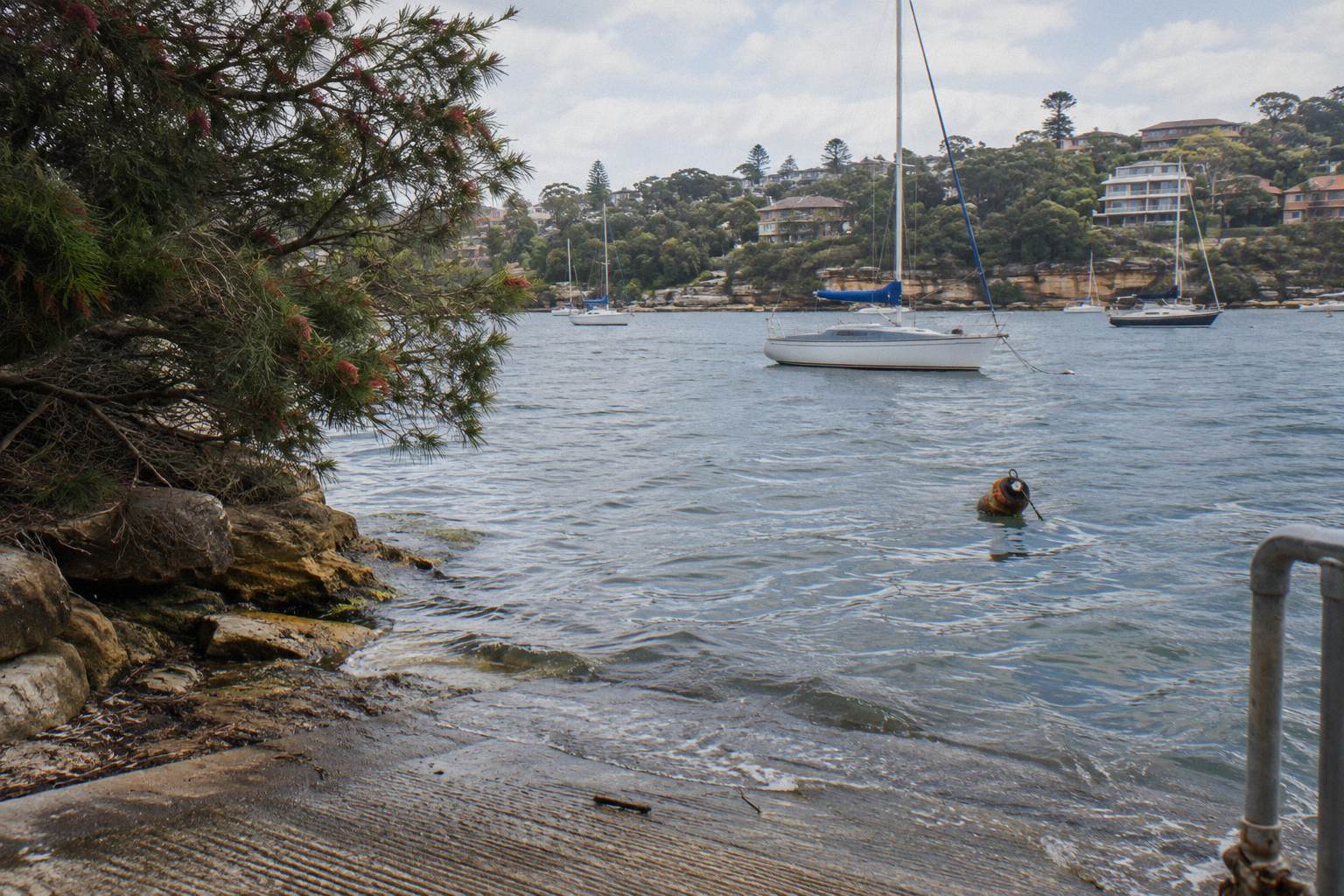
The American Canoe Association gives beginners a concrete yardstick in its Level 2 Essentials course limits: wind under 10 knots, waves under one foot and current under one knot, on calm, protected water. The ACA also describes sit-on-top kayaks as suitable entry-level craft on exactly that kind of water, because they are easy to re-enter and do not flood when they flip. You do not need to measure anything yourself; the point is that "appropriate" has a definition, and a sheltered bay in light conditions meets it while a channel crossing in a fresh breeze does not.
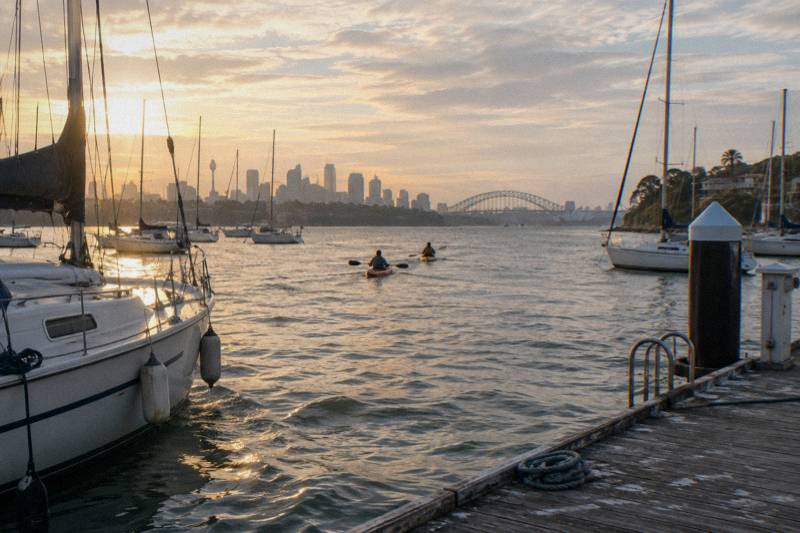
On Sydney Harbour, location choice has a legal dimension too, not just a comfort one. The official NSW rules for boating on Sydney Harbour describe the harbour as an extremely busy waterway, prohibit stopping, anchoring or drifting under the Harbour Bridge, and require small craft to keep clear of shipping channels and large vessels. A guided tour is effectively a location rule applied for you: the operator picks the launch point, the route and the timing, and the tour only goes where the operator says it goes. The tours covered here launch from places like Lavender Bay, Kirribilli and Elizabeth Bay precisely because those bays give beginners sheltered water with the landmarks in view.
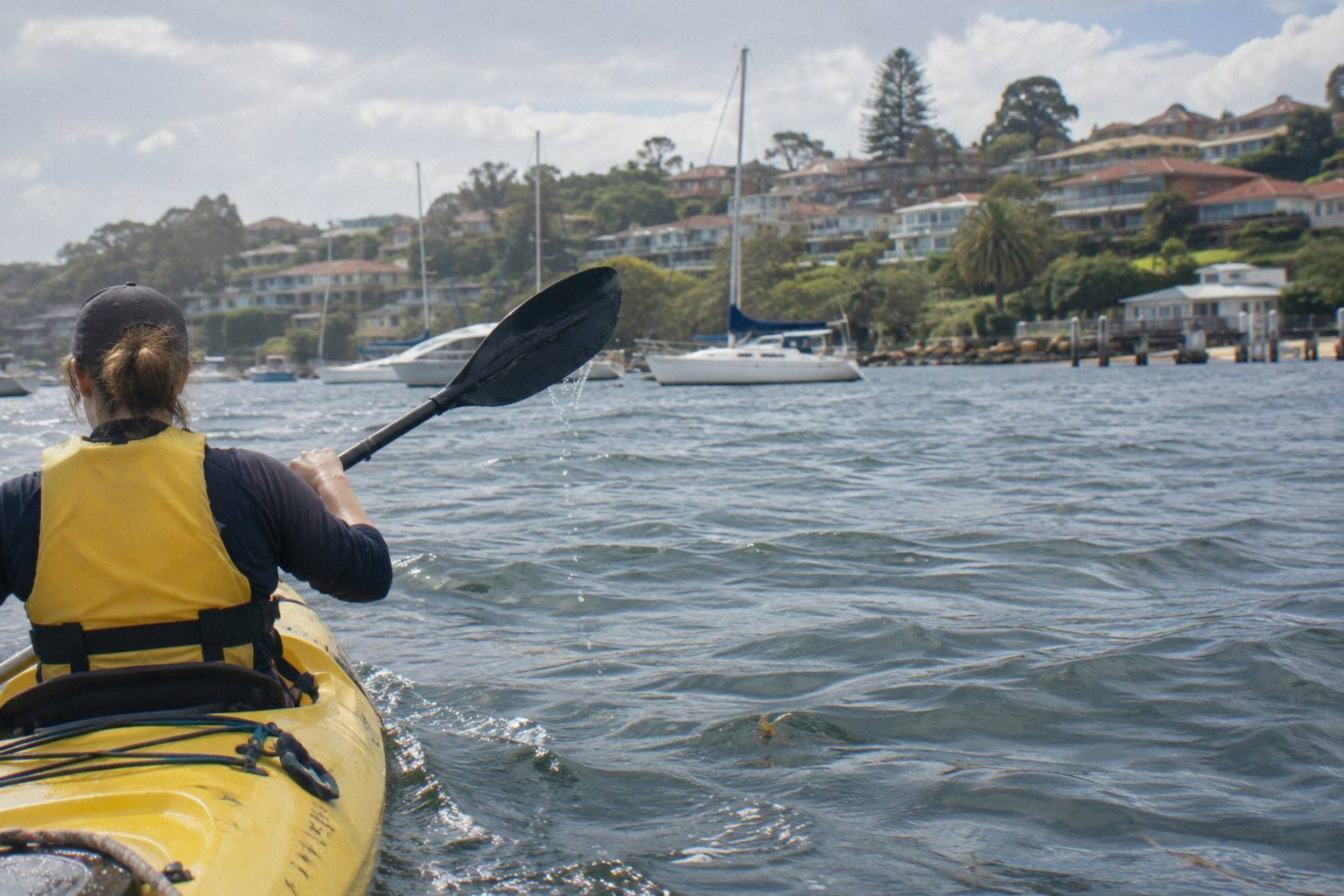
This is also where the route matters more than the brochure. The 4-Hour Middle Harbour Eco Paddle run by Sydney Harbour Kayaks states on its own site that its routes follow tides and weather through Scotts Creek, Sugarloaf Bay and the Bantry Bay mangroves "when tides allow", and that routes cannot be guaranteed, and its Sunriser page says plainly that the Middle Harbour tours do not paddle around to the Harbour Bridge or the Opera House. An operator who tells you where the tour does not go is an operator applying rule two honestly. The same logic explains the group caps you see across the options, such as the maximum of 5 paddlers on the Small-Group Opera And Bridge Paddle: fewer boats means a route a guide can actually watch. If your heart is set on a longer exploration, whether a kayak tour is worth it on this harbour works through the value question for the dawn slots in particular.
“This was a very enjoyable experience, I have never kayaked before and I found it easy and Shannon our tour guide took care of everything! Would highly recommend!”
Rule Three: Have A Plan In Case You Capsize
The third golden rule is to decide, before you launch, what you will do if the kayak overturns: how you will get out and who will help. Paddling.com pairs the capsize plan with the reminder to wear your lifejacket, because you must float while executing the plan. In a sit-in kayak that is a wet exit, releasing the spray skirt and pushing clear; on a sit-on-top it is climbing back on from the rear. On a guided tour, the plan is largely pre-built: the guide briefs it, carries the rescue responsibility, and attends any paddler who goes in.
The honest statistical picture first: no published figure exists for how often a guided flat-water kayak tour capsizes, and any number you have read is invented. What paddling guidance does say is that capsize likelihood depends on the width and type of kayak, wind, wake, and the paddler's experience and instruction. That is why tour operators choose stable craft and brief you before launching. Sydney Harbour Kayaks, for example, uses stable double sea kayaks on its Middle Harbour Eco Tour and runs a 20-minute paddling and safety briefing before the group leaves the beach. The wider set of guides lives on Sydney Harbour Kayak Tours.
Two things belong in your personal plan even on a tour. First, know your craft: a sit-on-top lets you climb back on, which is why the ACA flags them as entry-level boats, while a sit-in with a spray skirt needs a taught wet exit. Second, know the water rules: NSW requires paddlecraft to carry a torch or lantern showing a white light, ready in time to prevent a collision, and a head torch is recommended, which matters if your tour runs at sunset or after dark. The LED-lit sunset options in the evening category exist in that gap, and the question of what happens if you fall out of a kayak here takes the capsize story step by step.
“Tim is an amazing guide! He is very accommodating, knowledgeable and fun! This experience was memorable”
A note on two rules you may have met that are not the golden rules. The 50/90 rule is a tidal-stream estimate from coastal navigation teaching, described by TideTime and others as: current is about zero at slack, roughly 50 percent of maximum after the first hour, about 90 percent after the second, and 100 percent at the third. It is about timing tidal currents, not a safety rule. The "120 rule", the idea that no immersion protection is needed when air plus water temperature in Fahrenheit exceeds 120, is repeated on commercial blogs, has no scientific basis that any official body endorses, and should not guide your clothing choices; the site's piece on what to wear paddling on this harbour is the better source.
“It was all excellent there was just my wife and I with the tour operator and we had a fantastic time with him and the whole experience was fantastic”
How A Guided Harbour Tour Covers All Three Rules
A guided tour covers the three golden rules through structure rather than through your preparation: the briefing teaches torso rotation and the capsize plan before you launch, the guide chooses and adjusts the route to keep the location appropriate, and the group format means a trained person is watching the water and ready to run a rescue. The Small-Group Opera And Bridge Paddle, for example, runs with a maximum of 5 paddlers from Lavender Bay, an operator-set group cap that makes the guide's watch on each boat realistic, and it is rated 4.9 across 105 reviews. The table below shows how each golden rule shows up in practice.
| Golden rule | How it is handled on a guided harbour tour |
|---|---|
| Torso rotation | Covered in the pre-launch briefing; Sydney Harbour Kayaks runs a 20-minute paddling and safety briefing on its Middle Harbour Eco Tour, and guides correct stroke technique on the water |
| Appropriate location | The operator selects launch point, route and timing; the Eco Tour operator states routes follow tides and weather and cannot be guaranteed, and its Middle Harbour tours do not go to the Opera House or Harbour Bridge |
| Capsize plan | The guide briefs what to do and attends a capsized paddler; operators use stable craft such as the double sea kayaks stated for the Eco Tour, and every tour covered here carries a free-cancellation term up to 24 hours before the start |
The comparison cuts both ways, and it is worth being straight about it. A rental gives you freedom and none of the structure: no briefing beyond the basics, no guide on the water, and your own judgment on rule two. Sydney Harbour Kayaks includes a briefing and an approved lifejacket in its rentals and requires prebooking for groups of 4 or more or rentals over 2 hours, but the route, the timing and the rescue are yours. A tour hands all three rules to someone who does this daily, at the cost of a fixed start time and a fixed route. The piece on guided tour versus kayak hire runs the full comparison.
“Matt, our guide, was super informative and had top-notch kayaking equipment; he's a true adventure kayaker. He also gave awesome recommendations for nearby places to eat and things to do after the paddle. Thanks Matt for the amazing experience and cool photos!”
Longer and more unusual routes raise the stakes on all three rules, which is why they suit paddlers who want the guide to carry the navigation. The 3-hour Kayak To Goat Island departs from the Glebe boat shed and paddles Blackwattle Bay toward the centre of the harbour with a group cap of 6 and a minimum age of 16; it is rated 5.0 across 30 reviews. The route sits in busier water than a north-side bay, which is exactly where rules two and three earn their keep, and where a guide's local knowledge of ferry traffic is the difference between a crossing and an incident. Check availability
For a first paddle, short and guided beats long and ambitious. The 1.5-Hour Guided Opera House Paddle launches from Kirribilli, is rated 5.0 across 29 reviews, and keeps the whole session inside a window a beginner can comfortably finish, with a minimum age of 12. It is the format that applies the three rules with the least load on you: brief rotation coaching, a sheltered and famous stretch of water, and a guide within reach for the duration.
The NSW Safety Layer Under The Golden Rules
On Sydney Harbour the three golden rules sit on top of a legal layer: NSW rules require every vessel to carry enough approved lifejackets for everyone on board, and a lifejacket, Level 50S or above, must be worn in enclosed waters, including Sydney Harbour, when a kayaker is alone on the vessel or paddling at night. Paddlecraft must carry a white light ready to prevent a collision, and paddlers must take extra care near powered vessels and when crossing channels. None of this replaces the golden rules; it is the floor beneath them.
| NSW rule on Sydney Harbour | What it means for a tour paddler |
|---|---|
| Lifejacket must be worn when alone on the vessel, or at night (sunset to sunrise), in enclosed waters; Level 50S or above | Pre-dawn sunrise paddles and evening paddles are night paddles under the rule; operators issue lifejackets, and NSW recommends wearing one at all times |
| Vessels must carry enough approved lifejackets for everyone on board at all times | Applies to every kayak on the water, guided or rented; Sydney Harbour Kayaks states an approved lifejacket is included in its rentals |
| Paddlecraft must carry a torch or lantern showing a white light, ready to prevent a collision | Matters on sunset and LED-lit evening tours; a head torch is recommended |
| Powered and sailing vessels are recommended to give way to paddlecraft, but paddlecraft sit low and are hard to see | Stay close to your guide near ferry routes; no vessel may cross in front of a large vessel or obstruct it in a channel |
| No stopping, anchoring or drifting under the Harbour Bridge | Tours may transit under the bridge where the operator says so, but no tour can promise a stop or photos under it |
The lifejacket wording deserves care because an old, outdated version of it still circulates. The current NSW rule, as published on the NSW When to wear a lifejacket page, is the one given above; a 2013 brochure's "more than 100 metres from shore" formulation is out of date and should be ignored. The skipper can also require a lifejacket in heightened risk, including a severe weather warning, non-swimmers, cold water or a danger of swamping. Guided and rental operators on this harbour issue lifejackets as standard, so in practice the rule is met for you, but knowing it means you never paddle a rented boat at dusk without one.
Swimming ability, where the golden rules do not speak, NSW guidance does, and it is more nuanced than most people expect. Australian guidance does not state a must-swim rule for kayaking; Royal Life Saving Society Australia and NSW bodies emphasise wearing a lifejacket because even competent swimmers can need one once they are in the water unexpectedly. The site's longer answer on whether you need to swim to paddle here covers the reasoning. The Australian Canoe Association makes the same point from the craft side: sit-on-top kayaks are suitable entry-level boats precisely because they are easy to re-enter and do not flood.
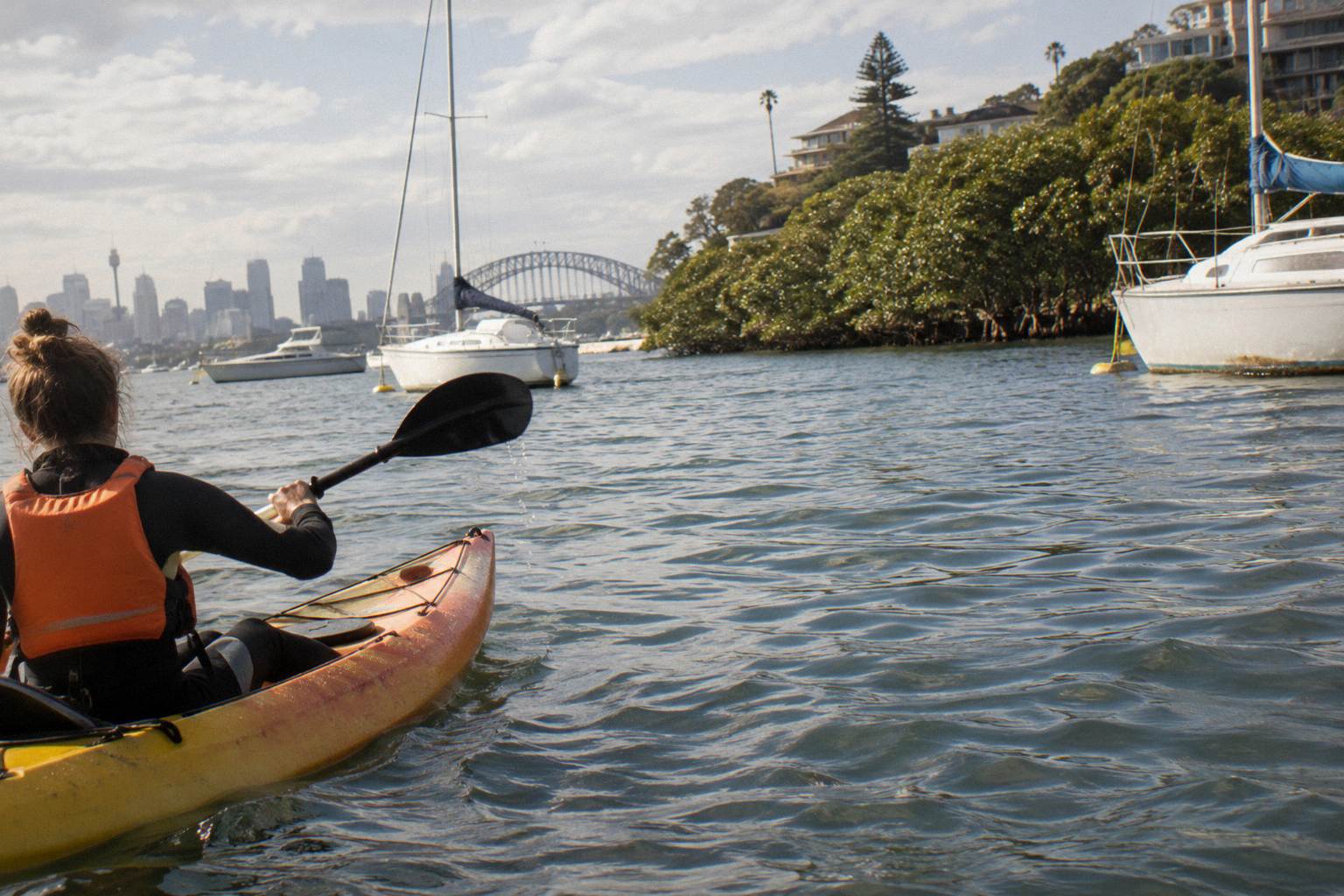
You will also get wet, and rule three is the reason that is fine. Paddle drip and splash happen even on calm water, more on a sit-on-top than a sit-in, according to ACA beginner guidance. No credible figure exists for calories burned or muscle activation while paddling, and none is repeated here. What is true is that a soaked beginner who was briefed, is floating in a lifejacket, and has a guide paddling toward them is the capsize plan working exactly as the third golden rule intends.
What Trips People Up When Learning The Golden Rules
The three mistakes that undo most beginners are paddling with the arms alone and exhausting themselves inside the first hour, choosing water by scenery rather than by conditions and traffic, and treating the capsize plan as something to think about only after the boat is upside down. Each one is avoidable with a decision made before launch, and each one is exactly what a pre-launch briefing is for. The table-free version is simple: rotate your trunk, paddle sheltered water near your guide, and know your exit before you need it.
A fourth trap is rule confusion. People read the 50/90 rule and believe it is a temperature or safety rule, or meet the 120 rule and dress by it. The first is a tidal-stream timing estimate from coastal navigation teaching and applies to paddlers working currents, not to a sheltered harbour bay. The second has no scientific basis, is criticised as such, and is not endorsed by any official body; no official source states it. Neither is one of the three golden rules, and mixing them up leads to bad decisions about where and when to paddle. For the water-traffic version of judgment, when not to go kayaking lists the conditions that should end a plan before it starts.
The fifth trap is assuming a guide removes your responsibility. A guide covers the rules, but you still wear the lifejacket properly, still carry the torch at dusk, still keep your group position, and still listen at the briefing. Sydney Harbour Kayaks expects guests to arrive 15 minutes before departure and treats late arrivals as no-shows, which sounds harsh until you realise the briefing is the fifteen minutes where all three golden rules are handed to you. Miss it and you have a boat, a paddle and none of the plan.
Common Questions About The Three Golden Rules Of Kayaking
What Are The Three Golden Rules Of Kayaking?
As published by the instruction site Paddling.com, they are: use torso rotation for all your strokes, choose an appropriate paddling location, and have a plan in case you capsize. They are one instruction source's framework rather than an official standard, and on Sydney Harbour they sit on top of NSW rules for lifejackets, lights and giving way.
Do The Golden Rules Apply On A Guided Tour?
Yes, but the guide carries most of the load. The briefing covers torso rotation and the capsize plan, the operator selects and adjusts the route, and the guide attends a capsized paddler. Sydney Harbour Kayaks runs a 20-minute paddling and safety briefing before its Middle Harbour Eco Tour, which is rule one and rule three delivered together.
What Is The Difference Between The Golden Rules And The 50/90 Rule?
The 50/90 rule is a tidal-stream estimate used in sea-kayak navigation: current is about zero at slack water, roughly 50 percent of maximum after the first hour and about 90 percent after the second. It is a timing tool for currents, not a safety rule, and it is not one of the three golden rules.
Do I Have To Wear A Lifejacket On Sydney Harbour?
NSW rules require a lifejacket, Level 50S or above, to be worn in enclosed waters, which includes Sydney Harbour, when you are alone on the vessel or paddling at night, sunset to sunrise, and every vessel must carry enough approved lifejackets for everyone on board. NSW recommends wearing one at all times, and tour and rental operators issue them.
Will I Capsize On A Beginner Tour?
No published statistic exists for how often guided flat-water tours capsize, so treat any number you read with suspicion. Guidance says capsize risk depends on the kayak's width and type, wind, wake, and your experience and instruction, which is why operators choose stable craft and brief you first. If it happens, the guide runs the rescue.
Is The 120 Rule Safe To Follow?
No official body endorses it. The idea that air plus water temperature above 120 degrees Fahrenheit means no immersion protection is needed is repeated on commercial blogs and criticised as lacking scientific basis. Dress for the conditions and the possibility of immersion instead, not for a number.