Kayaking Port Hacking And Bundeena: Beyond The Harbour
Port Hacking and Bundeena sit south of the city on the edge of the Royal National Park, and they attract paddlers looking for quiet water without harbour traffic. No guided tour in the range covered here launches there, so the honest answer is orientation first, then the guided options that scratch the same itch.
Short answer
Port Hacking is the estuary beside Bundeena on the southern edge of the Royal National Park, roughly an hour south of central Sydney. No guided kayak tour covered here launches at Bundeena or anywhere on Port Hacking. The closest guided paddles in the same quiet-water style launch from Manly Cove, Bayview on Pittwater and Church Point, all with free cancellation up to 24 hours before the start.
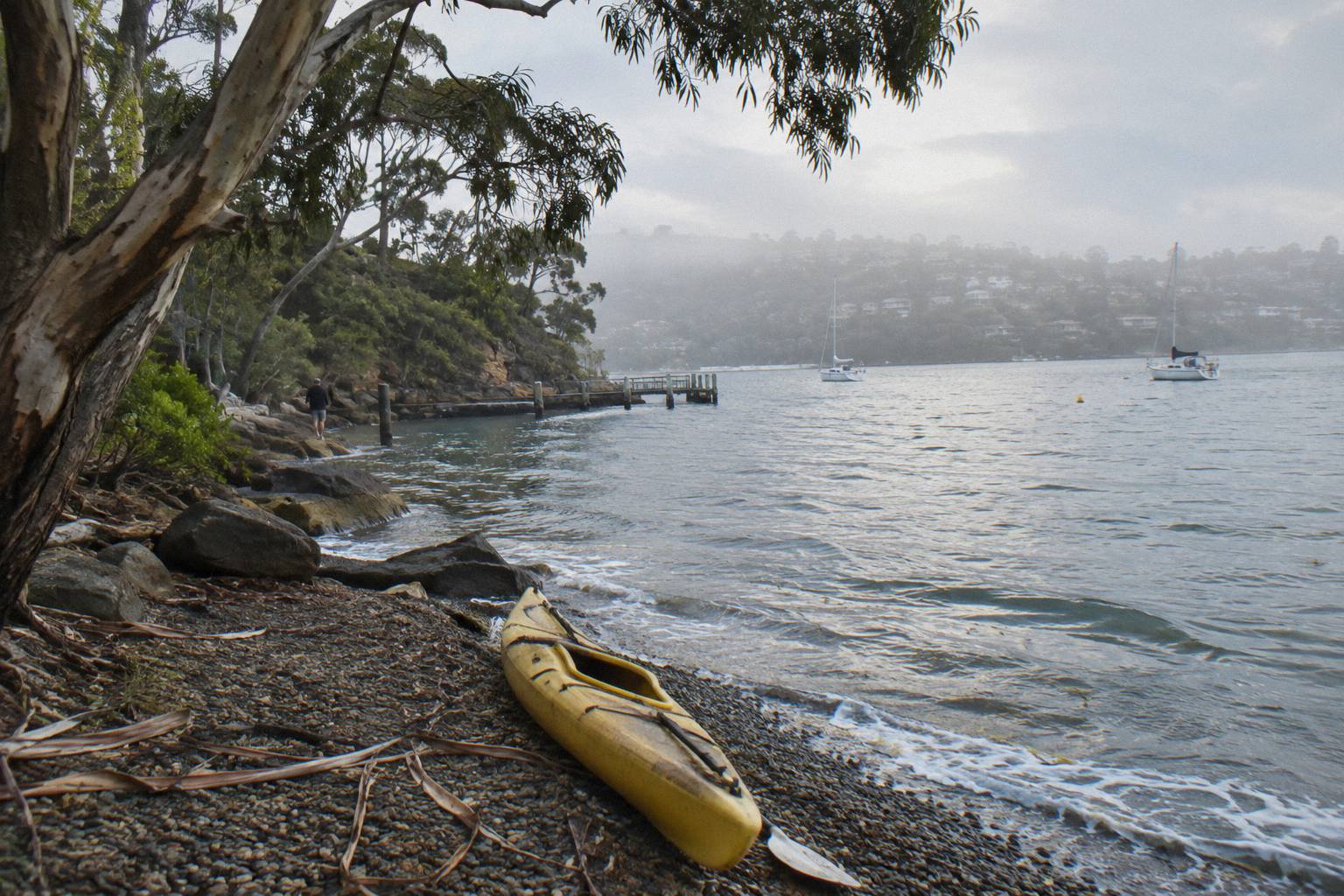
Bundeena is the small settlement on the northern edge of the Royal National Park, facing north across Port Hacking toward the southern Sydney suburbs, and it draws paddlers precisely because it is not the harbour. The water is an estuary rather than a working port, the surrounding land is national park rather than city, and the whole character of a day there is different from a paddle out of Lavender Bay or Rushcutters Bay. Port Hacking is the drowned river valley that separates the park from the suburbs of Sutherland Shire, and Bundeena sits on its southern shore.
The honest starting point, stated plainly: none of the guided kayak tours covered here launch at Bundeena or anywhere on Port Hacking. A rental listing for Bundeena was reviewed and dropped, so there is no bookable guided paddle to point you to there. What follows is the orientation a Bundeena-curious paddler actually needs, where the general landmark geography sits, which NSW rules apply wherever you paddle in the state, and which guided tours covered here deliver the same quiet-water, nature-first experience from launch points north of the city. If your heart is set on Bundeena itself, treat this as planning background. If what you want is the kind of day Bundeena represents, there are three guided options worth a hard look.
Where Is Port Hacking And Why Do Paddlers Head There?
Port Hacking is the estuary between the Royal National Park's northern edge and the southern Sydney suburbs, with Bundeena the settlement on the park side of the water. It appeals to paddlers because it is estuary and national park rather than a working harbour, a genuinely different environment from the city paddles covered elsewhere. No guided tour covered here launches there, which is the single most important planning fact on the page. Because an estuary like this moves with the tide, the guide to reading tidal streams before you paddle explains how to time a launch so the current works in your favour.
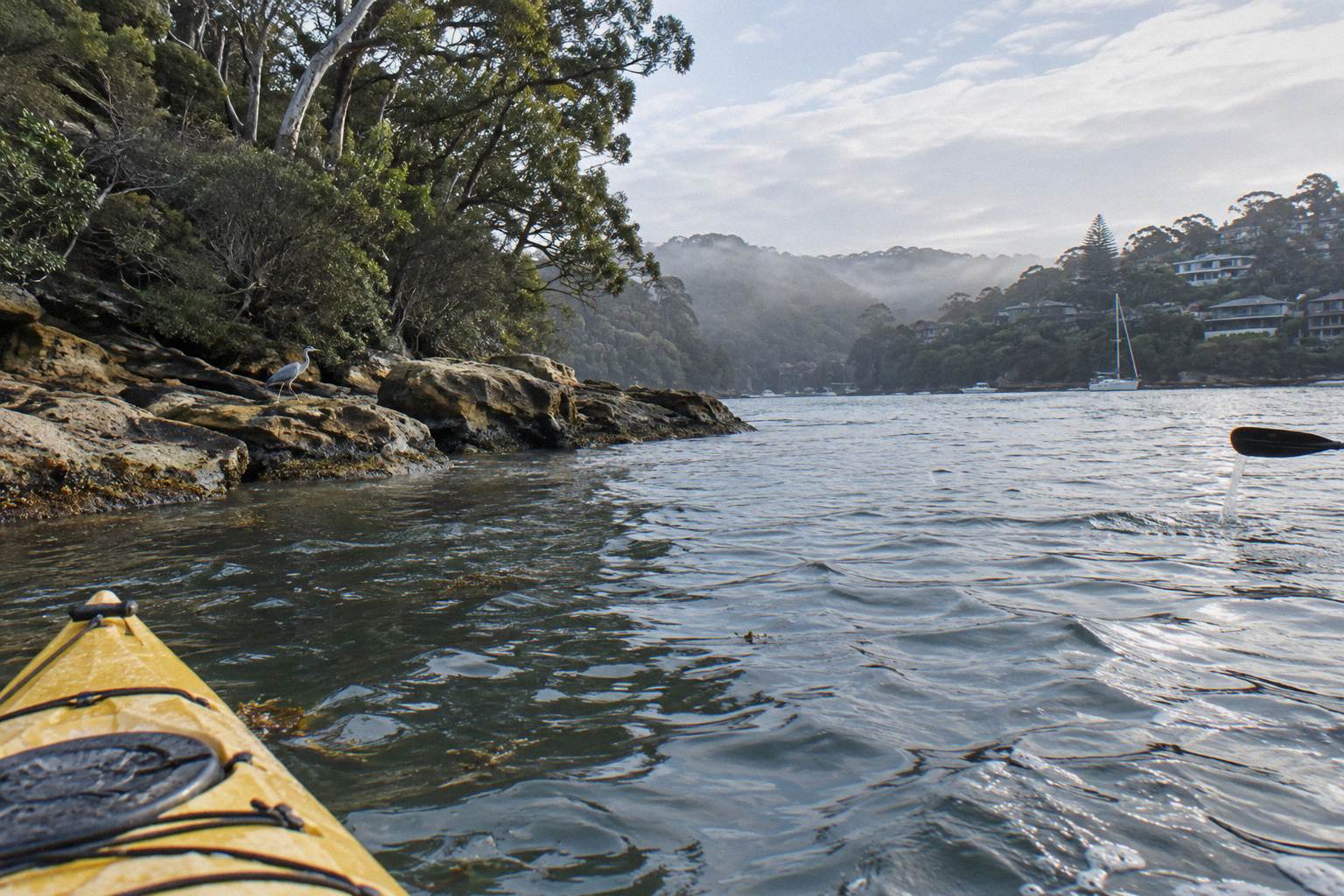
Geography first, in general terms only. Port Hacking opens to the Tasman Sea between two headlands, with the Royal National Park on the south side and suburban Sutherland Shire on the north. Bundeena is reached by road through the park or by ferry across the water from Cronulla, and it functions as the northern gateway to a park that runs far down the coast. The estuary itself has a mix of open lower reaches and winding upper arms that push into bushland, which is the configuration paddlers tend to want: sheltered water with wild shoreline.
What can and cannot be said here matters. No facts about Port Hacking distances, wildlife, water conditions, tides, operator presence or prices are available from the sources behind the coverage here, so none are stated. Anyone telling you exactly how far Bundeena is from a given launch, what you will see paddling there, or what the water does at a given hour is working beyond what official sources support. If you plan to paddle there independently, NSW's waterway rules, covered below, apply on Port Hacking exactly as they do on Sydney Harbour, and they are the part of the planning you can nail down in advance. The same gap appears on the harbour side of the Heads, and the guide to Watsons Bay kayak tours covers which harbour operators run instead and how the open-water rules near the Heads affect a paddling plan.
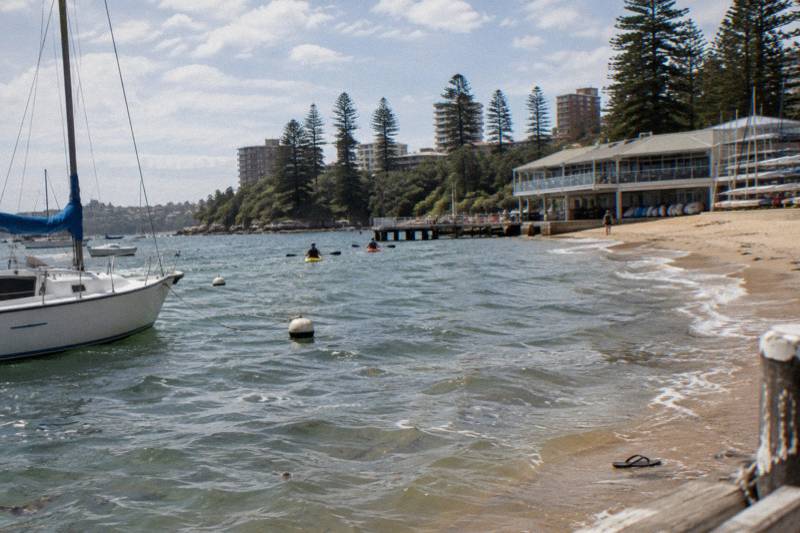
There is a useful way to think about the distinction. Sydney Harbour is a working port with ferries, cruise movements and shipping lanes woven through the scenery, and the guided paddles there are built around icons: the Opera House, the Harbour Bridge, the bays between them. Port Hacking inverts that balance entirely. There are no Opera House moments to aim for, which means the paddling itself, the shoreline and the pace carry the day. That is also why the tours recommended later in this piece come from Manly and Pittwater rather than the city: they are the waterways where an operator can build a tour around shoreline and space rather than around a single must-see structure.
For context on the harbour side of the comparison, the paddle most first-time visitors picture is covered in kayaking Sydney Harbour basics, and the sheltered-cove equivalent at Manly is covered in Manly kayak tours. Both are city or northern beaches water, not park water, which is the real distinction Bundeena offers.
Can You Join A Guided Tour At Bundeena?
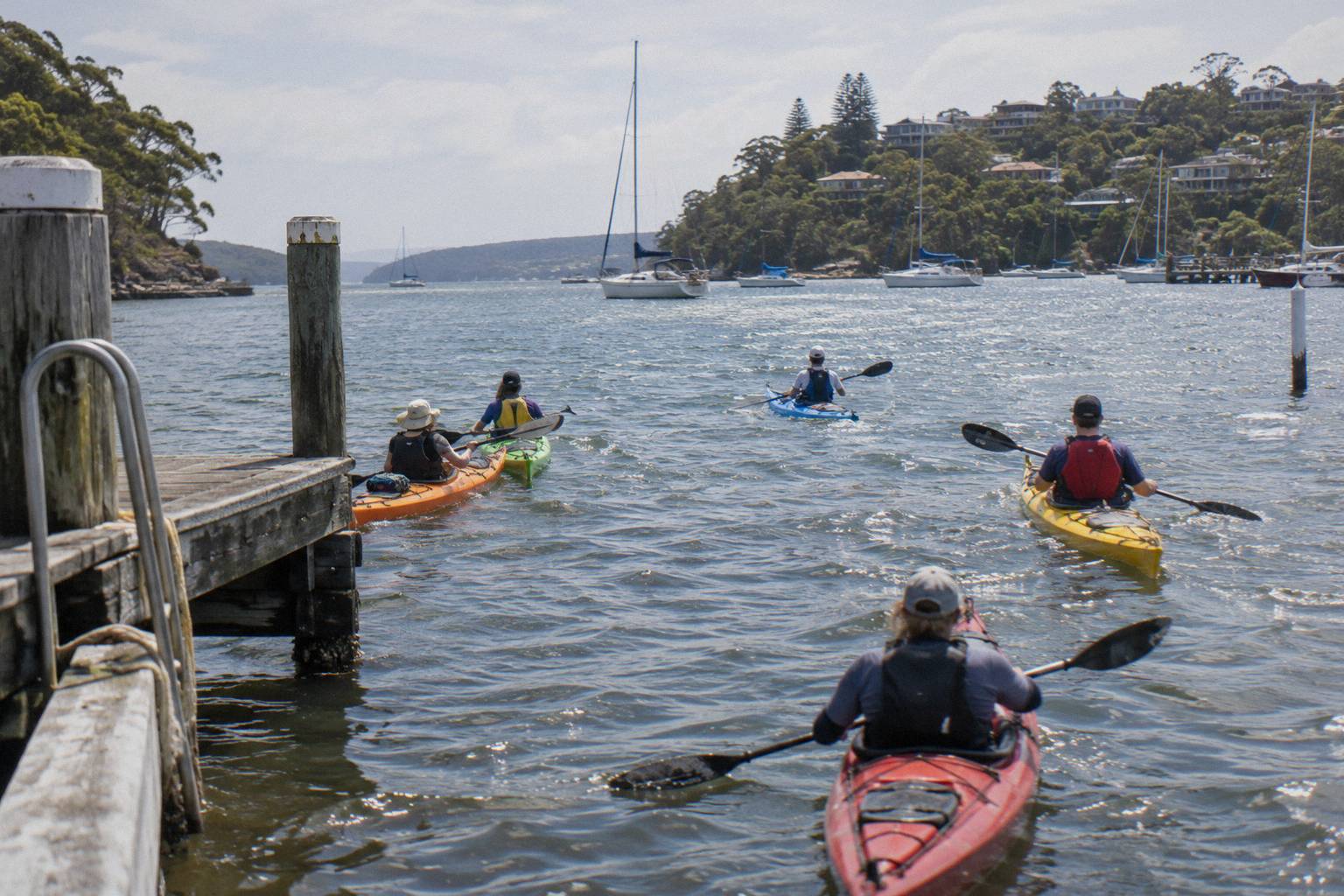
No guided kayak tour covered here launches at Bundeena or on Port Hacking. The nearest guided paddles in the same sheltered, nature-first style launch from Manly Cove on the northern beaches and from Bayview and Church Point on Pittwater, all north of the harbour. Each of those carries free cancellation up to 24 hours before the start for a full refund, so committing early costs you flexibility only inside that final day. For a fuller picture of what those northern launches can reach, the guide to Sydney harbour beaches and bays by kayak details paddling spots from Balmoral and Clontarf through to Manly Cove and Pittwater.
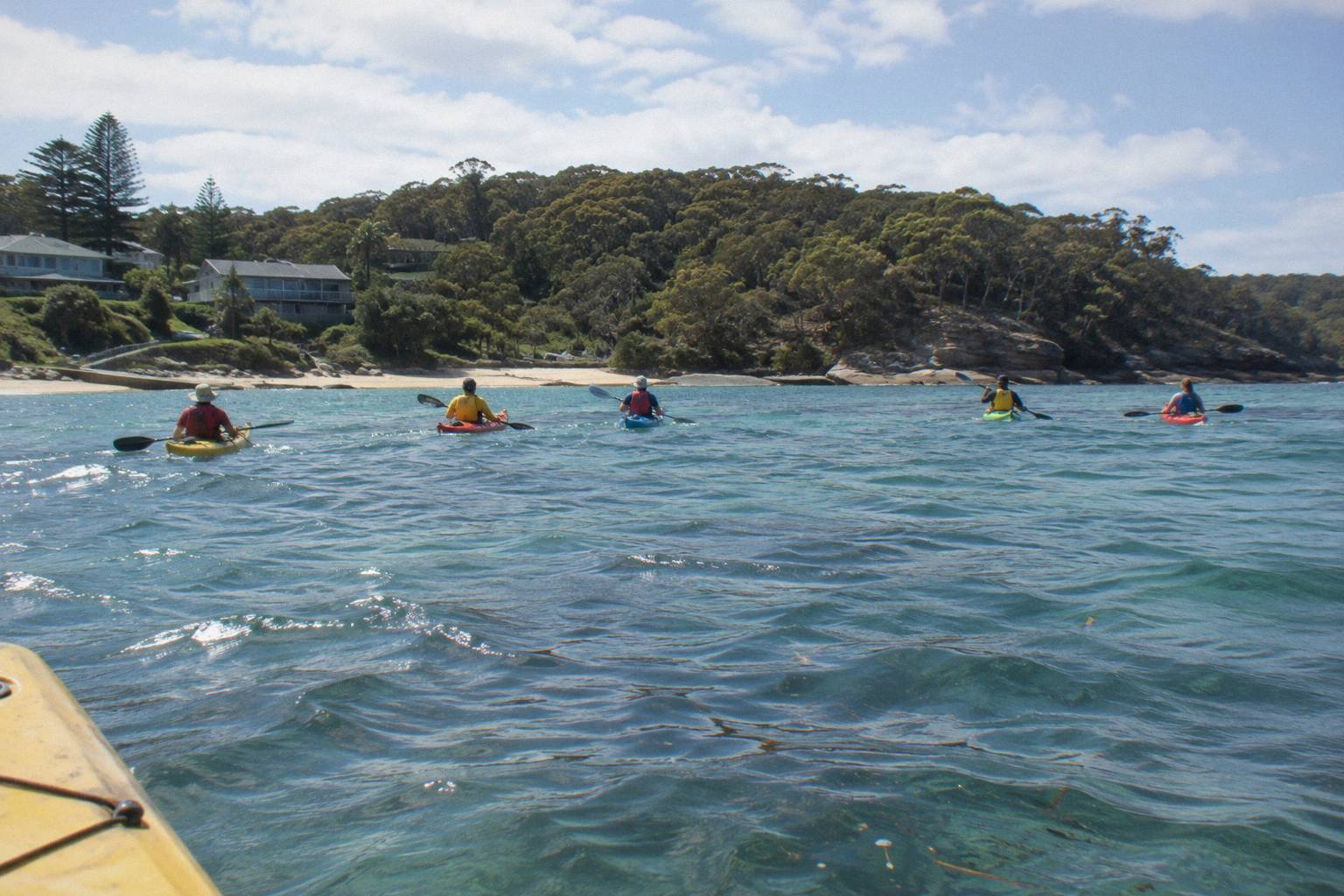
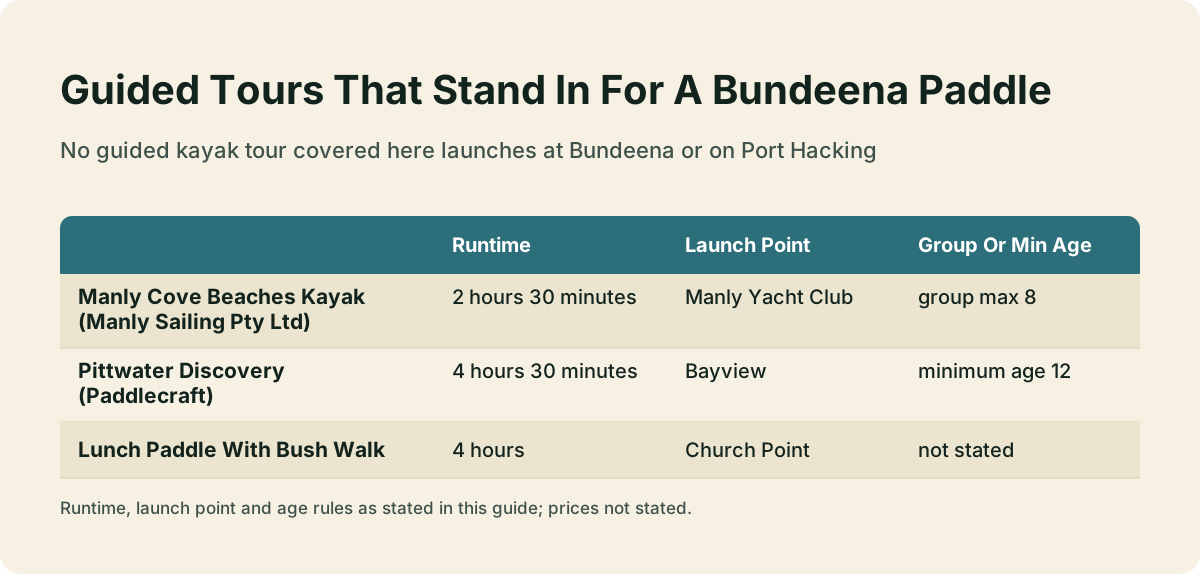
Start with what the three tours are, by their decision names, since these are the paddles that stand in for a Bundeena day. The "Manly Cove Beaches Kayak" run by Manly Sailing Pty Ltd launches from Manly Yacht Club on the Esplanade, runs 2 hours 30 minutes, and caps groups at 8. The "Pittwater Discovery, 4 Hours 30 Minutes" run by Paddlecraft launches from Bayview on Pittwater's western shore and sets a minimum age of 12. The "Pittwater Paddle, Lunch And Waterfall" run by SydneyKayak launches from McCarrs Reserve BBQ Point at Church Point and runs 4 hours. None has a price or rating that can be quoted, so check the booking page for each: prices depend on date and group, and where reviews exist they are shown on the booking page.
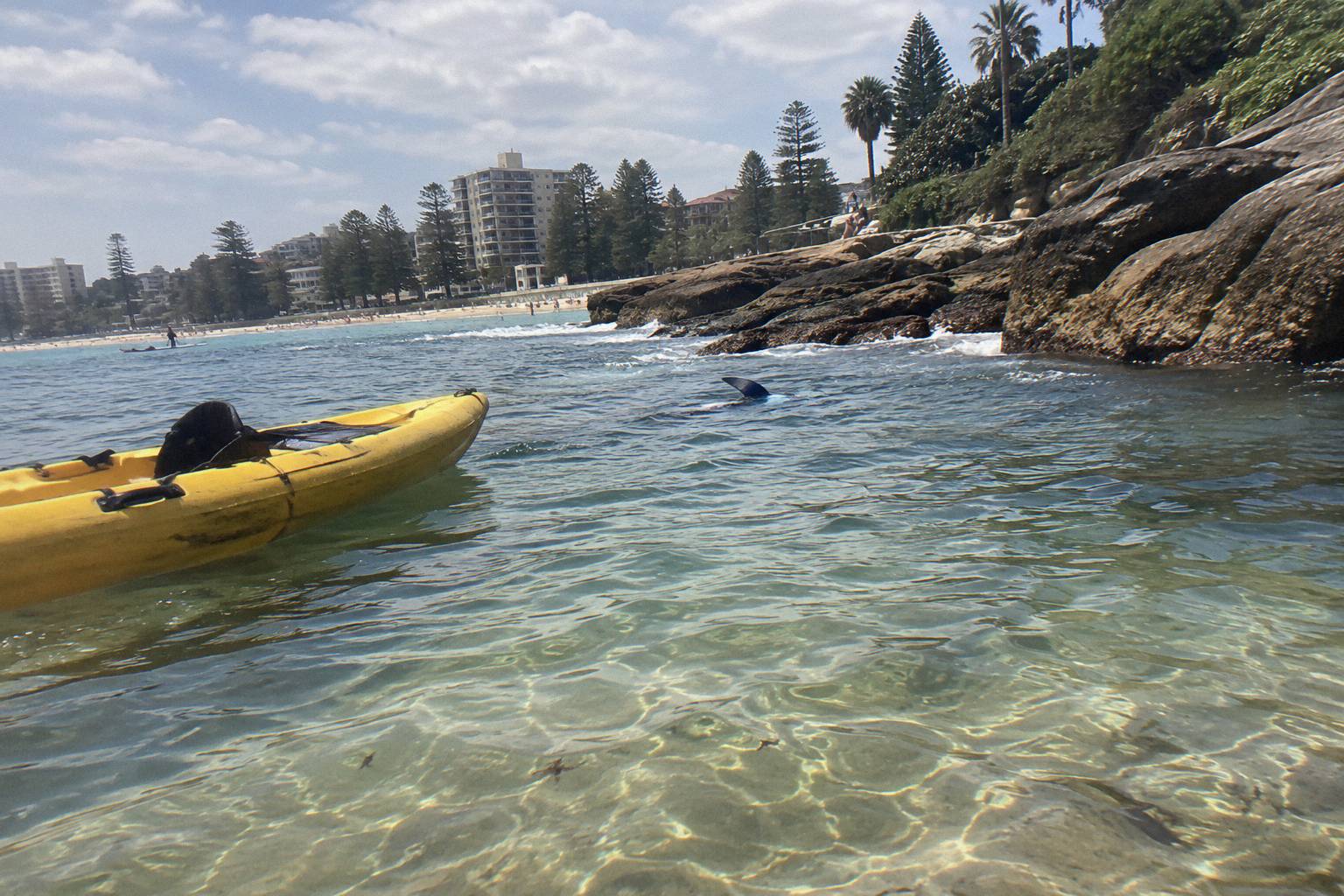
Why these three stand in well for a Bundeena-style day, in plain terms. Bundeena's appeal is quiet water against a bush backdrop with a small-group feel, and Pittwater in particular shares that configuration: an estuary rather than a port, national park on its western shore, and paddle tours that leave the ferry lanes behind. The Manly Cove tour is the gentlest commitment at 2 hours 30 minutes with the smallest stated cap at 8 paddlers, which suits anyone testing whether a guided paddle is for them. The two Pittwater tours are half-day propositions, 4 hours and 4 hours 30 minutes, for people whose Bundeena fantasy was always the long version.
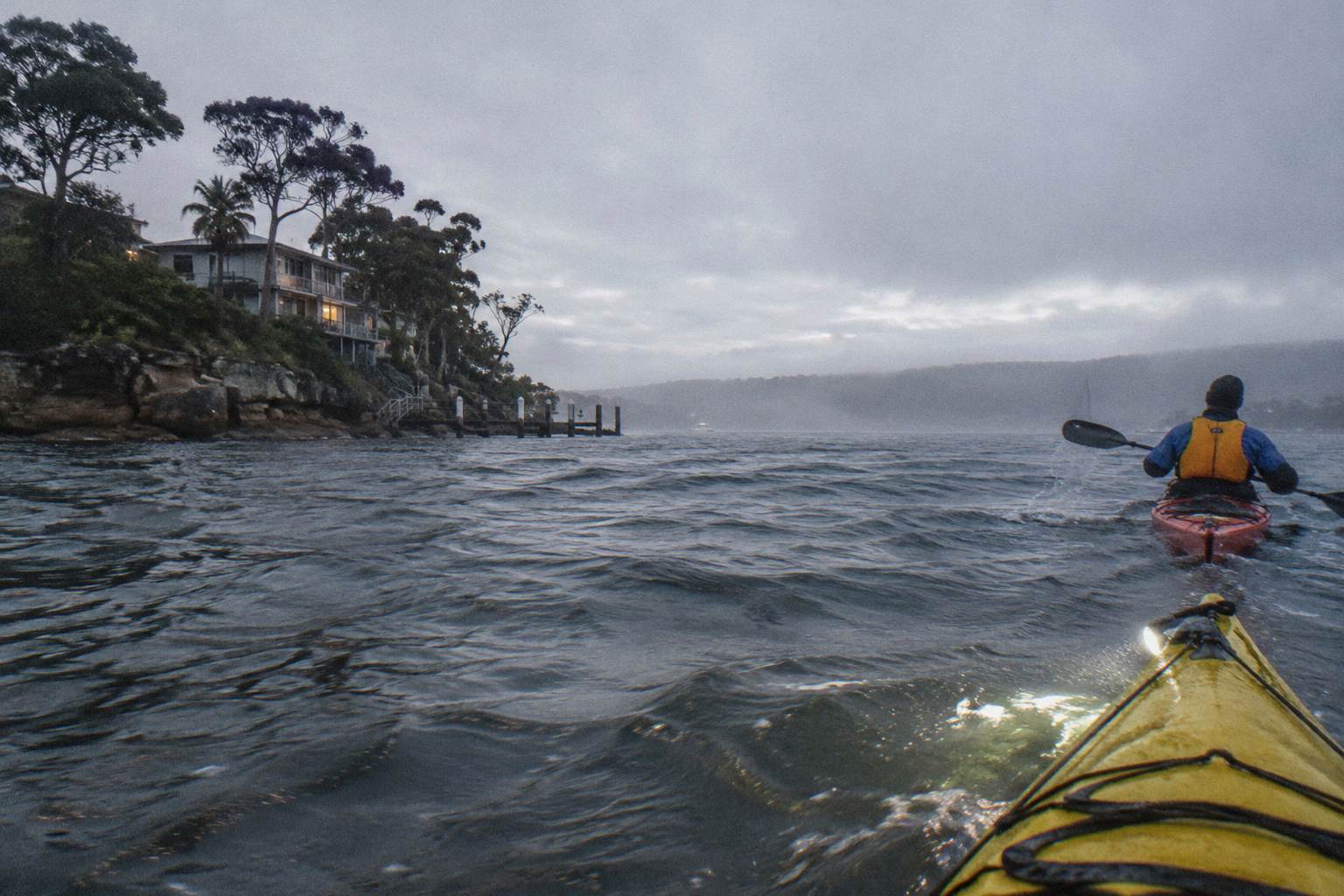
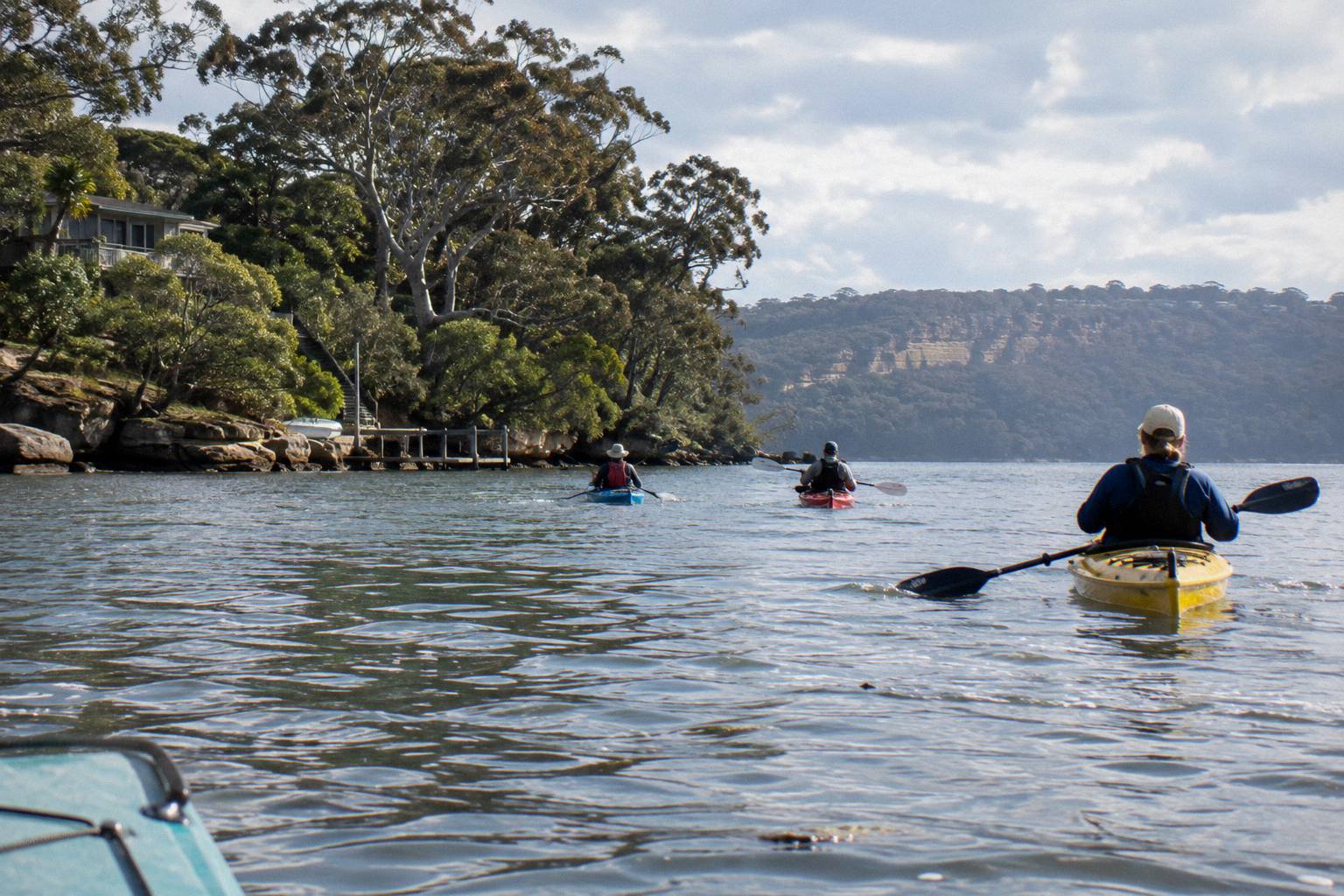
A word on what a guide actually adds in this kind of water, because it is part of why the stand-in is worth considering at all. On an unfamiliar estuary a guide handles the route decision, reads the conditions of the morning, sets the pace for the slowest paddler and carries the group's safety setup, including the lifejackets the NSW rules described later require. For a visitor without local knowledge, that converts a stretch of unknown water into a 2 or 4 hour experience rather than a risk assessment. It also means the day ends when the tour ends, with no logistics to untangle at a boat ramp you have never seen before.
A scheduling note that applies to all three: each booking page states free cancellation up to 24 hours before the start for a full refund. That is the booking-page term for each tour, not a general industry promise, so read the specific page when you book. For more on the area the two Pittwater tours launch into, see kayaking Pittwater and the northern beaches, and for the sheltered-harbour coves near Manly, harbour beaches and bays by kayak.
What Harbour Alternatives Match A Bundeena-Style Day?
The Manly Cove Beaches Kayak is the closest single match: sheltered cove water, a local guide, a 2 hour 30 minute runtime and a group capped at 8, launching from Manly Yacht Club. The two Pittwater tours match better on scenery and duration if a half-day in nature is the goal. All three sit under the same 24-hour free-cancellation term, so you can book one and keep adjusting the rest of the trip.
Breaking the choice down by what actually drives it. If the Bundeena appeal was "quiet water, small group, not too long," the Manly Cove tour is the pick: 2 hours 30 minutes, group max 8, launching from Manly Yacht Club on the Esplanade at Manly. Its rating and price are not stated, so judge it on format and the reviews on the booking page. If the appeal was "a proper expedition," Pittwater Discovery at 4 hours 30 minutes from Bayview, minimum age 12, is the longer arc, and the Pittwater Paddle, Lunch And Waterfall at 4 hours from Church Point adds a walk and a meal to the day. Neither has a printable price; both depend on date and group.
One more framing helps. Sydney Harbour itself can deliver a nature-forward paddle, just with more traffic and bigger scenery; the comparison between a harbour paddle and a harbour cruise is covered in Sydney Harbour kayak versus cruise, and the sheltered north-shore equivalent is in kayaking the Spit Bridge area. The pattern across all of it: the closer to the Opera House and Harbour Bridge, the more the paddle is about icons; the further north or into the upper waterways, the more it resembles what draws people to Bundeena in the first place.
Between the two Pittwater options, duration and the shoreline you want decide it. Discovery is the longer water day at 4 hours 30 minutes from Bayview. The lunch paddle runs 4 hours from Church Point and pairs the paddle with a bush walk to a waterfall, which suits anyone whose ideal Bundeena day was always paddle plus hike. Minimum ages differ: 12 on Discovery from Paddlecraft, not stated on the lunch paddle, so ask the operator directly if ages matter to your group.
A practical booking sequence works like this. Pick the duration first, since it removes one of the three options immediately. Then pick the launch point that fits where you are staying or how you plan to travel that morning, Manly on one corridor, Pittwater on another. Finally, check the booking page for live pricing on your date and confirm the age rules if children are in the group, because two of the three do not state an age minimum and the third sets it at 12. Booking early under a 24-hour free-cancellation term costs almost nothing in flexibility and secures the small-group places, which matter most on the tour capped at 8.
When Does The Sun Rise For A Bundeena Dawn Paddle?
Sunrise at Sydney runs from around 05:38 in December to around 06:58 in July, computed to within about plus or minus 2 minutes, and those times apply to Bundeena and the northern launch points alike. Clocks went forward on Sunday 4 October 2026 and go back on Sunday 4 April 2027, which shifts every dawn time by an hour across that stretch. Anyone planning a dawn paddle anywhere in the region works from the same table.
Dawn is the hour most Bundeena paddlers imagine, and while no tour there exists to book, the planning math is identical for the guided alternatives. The times below are computed for Sydney (approximately the 15th of each month) and carry a margin of about plus or minus 2 minutes; they are a planning aid, not an official table.
| Month | Sunrise (Around) | Sunset (Around) |
|---|---|---|
| January | 05:58 | 20:08 |
| February | 06:29 | 19:49 |
| March | 06:54 | 19:15 |
| April | 06:17 | 17:33 |
| May | 06:39 | 17:03 |
| June | 06:57 | 16:52 |
| July | 06:58 | 17:03 |
| August | 06:35 | 17:24 |
| September | 05:55 | 17:45 |
| October | 06:14 | 19:07 |
| November | 05:44 | 19:35 |
| December | 05:38 | 20:01 |
Reading the table for a realistic start. A November dawn sits around 05:44, which means an on-the-water start near 06:00 and a wake-up somewhere in the 05:00 range once you allow for getting to a launch point; in July the same plan shifts nearly 75 minutes later, which is why winter dawns are easier commitments than summer ones. The April row is the month to watch for clock confusion, because daylight saving ends on Sunday 4 April 2027 and the table's April times sit on the post-change clock. Whenever your dawn paddle falls, the lighting rule in the next section applies before sunrise and after sunset, so a torch or lantern ready to display is part of the kit, not an optional extra.
Daylight saving ran from Sunday 4 October 2026 and ends Sunday 4 April 2027. If a dawn start matters to you, the guided sunrise paddles covered elsewhere on Sydney Harbour Kayak Tours are built around exactly this table, and the planning logic in what to expect on a Sydney Harbour sunrise kayak applies to any dawn launch, harbour or not.
Which Rules Follow You Onto The Water?
NSW lifejacket and waterway rules apply statewide, including on Port Hacking and Pittwater, not just Sydney Harbour. Vessels must carry enough approved lifejackets for everyone on board at all times; in enclosed waters a Level 50S or above lifejacket must be worn when paddling alone or at night, and NSW recommends wearing one at all times. Guided and rental operators issue lifejackets as standard.
The lifejacket wording, straight from the NSW rules: for canoes and kayaks in enclosed waters, which includes Sydney Harbour, a lifejacket of Level 50S or above must be worn when the paddler is alone on the vessel, including with children under 12 aboard, or at night between sunset and sunrise. In open waters and when crossing coastal bars it must be worn at all times. NSW states plainly, "We recommend you wear one at all times," and a skipper can require wearing in heightened risk situations such as a severe weather warning, non-swimmers aboard, cold water or danger of swamping. The current detail lives on the NSW lifejacket requirements page. Never rely on an old "100 m from shore" rule you may have read; that came from a 2013 brochure and is outdated.
| Situation | What NSW Requires |
|---|---|
| Any vessel, any time | Carry enough approved lifejackets for everyone on board |
| Kayak, enclosed waters, paddling alone | Lifejacket (Level 50S or above) must be worn |
| Kayak, enclosed waters, at night (sunset to sunrise) | Lifejacket must be worn |
| Open waters or crossing coastal bars | Lifejacket worn at all times |
| General NSW advice | "We recommend you wear one at all times" |
| Heightened risk (severe weather warning, non-swimmers, cold water, swamping danger) | Skipper can require lifejackets to be worn |
Lights matter for any dawn or dusk plan. NSW requires paddlecraft to carry a torch or lantern displaying a white light, ready in time to prevent a collision, with a head torch recommended; craft over 4 metres are also recommended to show two all-round white lights. And if your Bundeena curiosity ever bends back toward the harbour itself, note that Sydney Harbour is described by NSW as an extremely busy waterway: keep to the starboard side of shipping channels, stay well clear of big ships, remember high-speed ferries show an all-round yellow flashing light, and know that vessels must not stop, anchor or drift under the Harbour Bridge except in an emergency. Event closures around Vivid, New Year's Eve and Australia Day exist as annual maps: check the current Transport for NSW map rather than relying on last year's boundaries. Transport for NSW Maritime can be reached on 13 12 36. For the fuller version, see Sydney Harbour kayak safety.
Two points from those harbour rules travel well even if you never leave the south. The yellow flashing light on a high-speed ferry is the single most useful piece of visual vocabulary a paddler can carry, because it tells you minutes in advance that a vessel cannot stop or turn for you, wherever you are on the water. And the give-way principle NSW applies, with powered and sailing vessels recommended to keep a proper lookout and give way to paddlecraft while paddlecraft take extra care near powered vessels and crossing channels, is not a harbour-only idea; it is the working etiquette of every shared waterway including an estuary like Port Hacking.
How Do The Guided Options Compare Side By Side?
Three guided tours fill the Bundeena-shaped gap: Manly Cove Beaches Kayak at 2 hours 30 minutes with a group cap of 8, Pittwater Discovery at 4 hours 30 minutes with a minimum age of 12, and the Pittwater lunch paddle at 4 hours from Church Point. All three state free cancellation up to 24 hours before the start. None has a price that can be quoted here; the booking page holds live pricing for your date.
The comparison that matters is duration, launch point, group shape and age rules, because everything else sits on the booking page. Here is what the tour details themselves state.
| Tour | Launch Point | Duration | Group / Age | Cancellation |
|---|---|---|---|---|
| Manly Cove Beaches Kayak | Manly Yacht Club, E Esplanade, Manly | 2 hours 30 minutes | Group max 8; minimum age not stated | Free up to 24 hours before start |
| Pittwater Discovery | 1714 Pittwater Rd, Bayview | 4 hours 30 minutes | Minimum age 12 | Free up to 24 hours before start |
| Pittwater Paddle, Lunch And Waterfall | McCarrs Reserve BBQ Point, Church Point | 4 hours | Minimum age not stated | Free up to 24 hours before start |
Reading the table as a decision. Families with children under 12 should note Discovery's stated minimum age and ask the other two operators directly, since their ages are not stated. Anyone who wants the shortest commitment with the smallest group takes the Manly Cove tour; anyone who wants the longest water day takes Discovery; anyone who wants a paddle plus a walk plus lunch takes the Church Point tour. Pittwater's geography, an estuary with national park along its western shore, is the closest thing north of the harbour to the Port Hacking feel, and Pittwater as a waterway is worth a minute of reading before you choose between its two launch points.
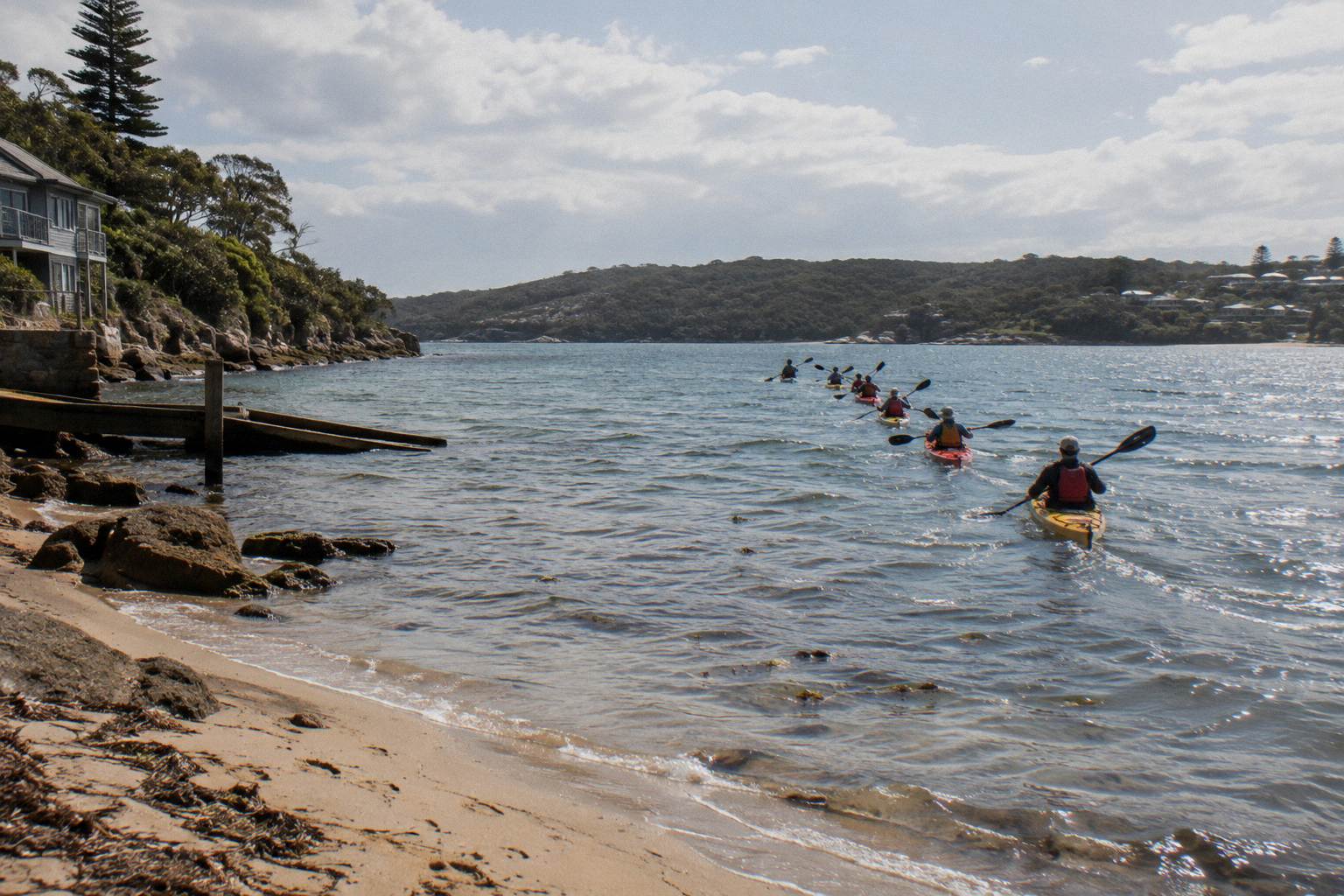
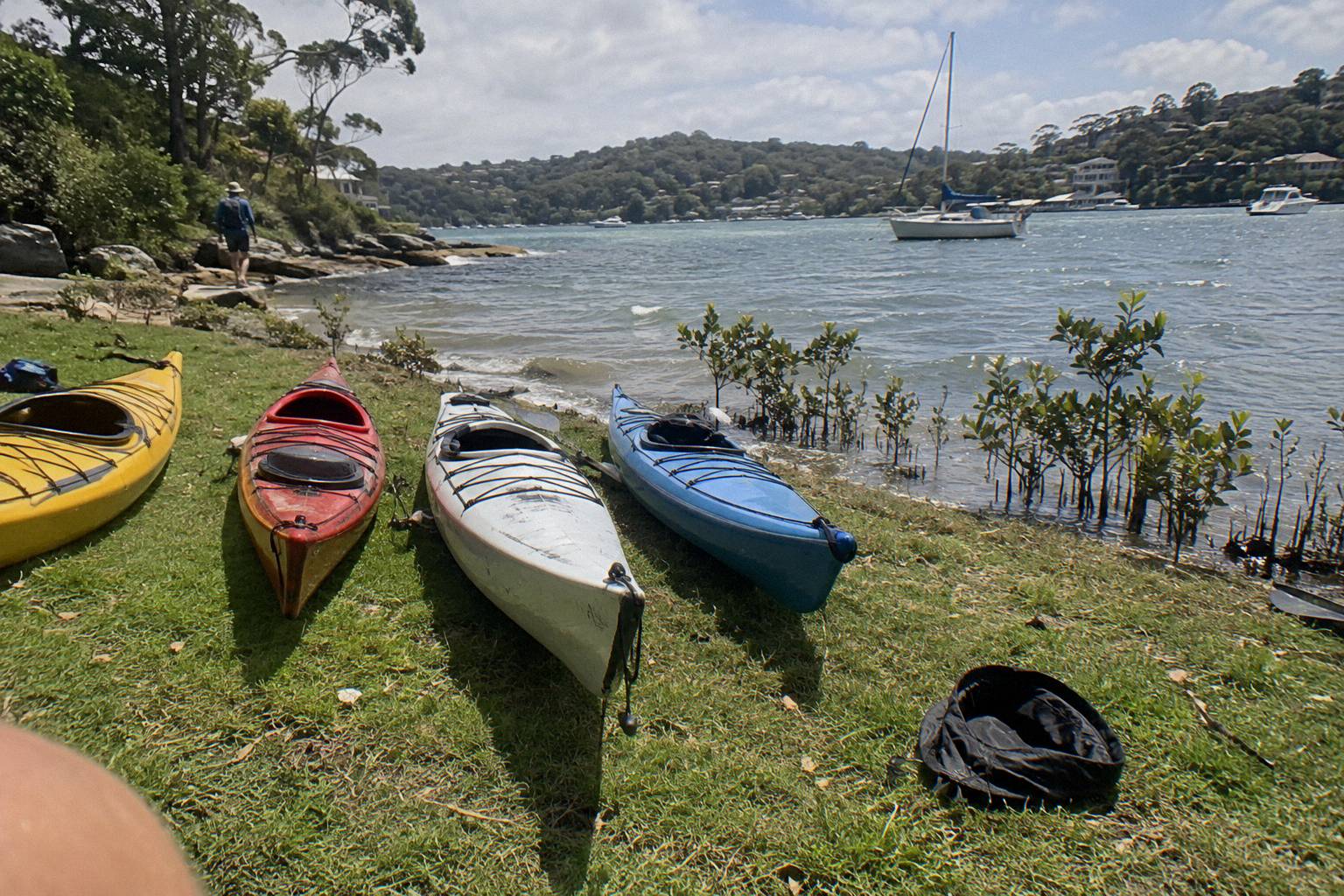
One asymmetry in the table deserves a sentence of its own. The Manly Cove tour is the only one of the three with a stated group maximum, 8 paddlers, and that number is doing real work in the comparison: it is the difference between a guide who can talk to everyone individually and a tour where the guide is managing a crowd. The two Pittwater tours do not state a maximum, so if group size drives your choice as much as it would at a Bundeena launch, ask the operator how many paddle together on a typical departure before booking. The answer may matter more than the difference between 4 hours and 4 hours 30.
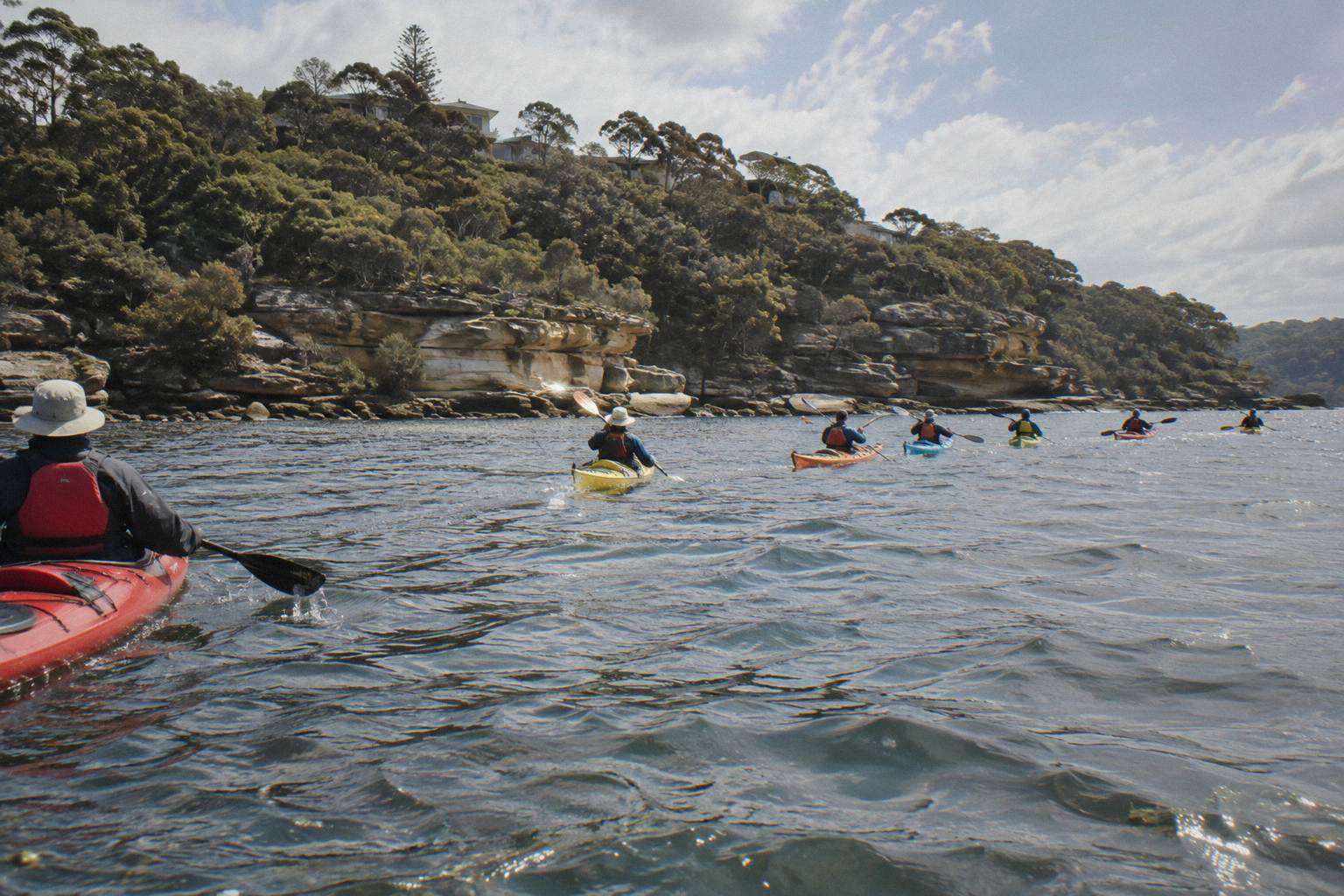
Common Mistakes When Planning A Paddle Near Bundeena
The mistakes that trip people up are assuming a guided Bundeena tour exists, skipping the lifejacket rules because the water looks calm, quoting prices from old forum posts, and leaving transport time out of the plan. No tour covered here launches at Bundeena, prices for every tour named here sit on the booking page, and NSW lifejacket rules apply on Port Hacking exactly as on the harbour. Fix those four and the day usually comes together.
The first mistake is the assumption itself. People read about Bundeena, search for a tour, and book whatever surfaces in an advert without noticing it launches somewhere else entirely. Check the meeting point before you book anything: the three tours above start at Manly Yacht Club, Bayview and Church Point respectively, all of which are north of the harbour, not south of it. If a listing says Bundeena or Cronulla, treat it with suspicion, since the one Bundeena rental reviewed during research for the coverage here was dropped.
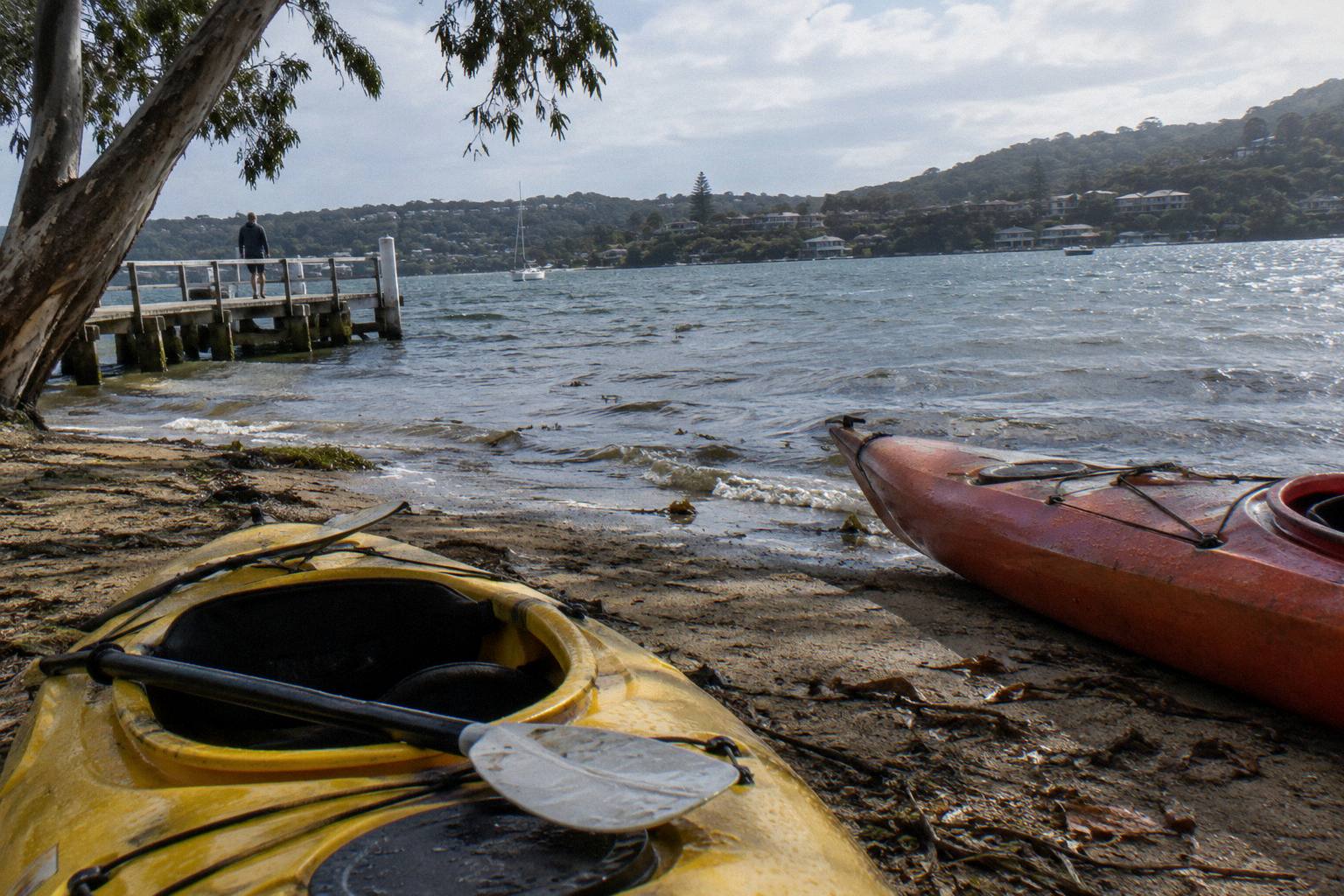
The second is treating calm-looking water as rule-free water. The lifejacket requirements above apply statewide; a sheltered estuary is still enclosed waters in the legal sense where the harbour clause applies, and night paddles anywhere require a worn lifejacket and a white light ready to show. The third is price anchoring. No price for any tour named here can be quoted, and forum prices from past seasons are worse than useless because they create an expectation the booking page will not match. The fourth, and the most avoidable, is planning the paddle without planning the drive: a Bundeena day means travel through or around the Royal National Park, while the Manly and Pittwater tours each have their own approach from the city. Build the transport plan first, then pick the launch.
A fifth mistake is quieter but just as common: booking the wrong duration out of enthusiasm. The step from a 2 hour 30 minute Manly Cove paddle to a 4 hour 30 minute Discovery departure is not a small one for anyone new to kayaking, and the middle option exists for a reason. A sensible rule is to match the tour length to the longest stretch of physical activity you would happily do on land, then add a little, rather than doubling it because the long tour sounds more complete. The 24-hour cancellation window gives you one free revision if you catch the mistake early, but it does nothing for a decision made the night before.
Common Questions About Kayaking Port Hacking And Bundeena
Are There Guided Kayak Tours At Bundeena?
No guided kayak tour covered here launches at Bundeena or anywhere on Port Hacking. The closest equivalents in style are the Manly Cove Beaches Kayak from Manly Yacht Club, and the two Pittwater tours from Bayview and Church Point. Independent paddlers should apply the same NSW lifejacket and lighting rules covered above.
How Far Is Bundeena From Central Sydney?
No verified distance figure is available from the sources used here, so none is stated. In general terms Bundeena sits on the northern edge of the Royal National Park, south of the city, reached by road through the park or by ferry across Port Hacking from Cronulla. Check current transport options when planning.
Do I Need A Lifejacket Kayaking On Port Hacking?
NSW rules require every vessel to carry enough approved lifejackets for everyone on board, and for kayaks in enclosed waters a Level 50S or above lifejacket must be worn when paddling alone or at night. NSW recommends wearing one at all times, and guided and rental operators issue them as standard.
Which Tour Closest Matches A Bundeena-Style Day?
The Manly Cove Beaches Kayak matches on quiet cove water and a small group capped at 8, over 2 hours 30 minutes. The Pittwater tours match better on nature and duration, at 4 hours and 4 hours 30 minutes, launching from Church Point and Bayview respectively on an estuary bordered by national park.
What Time Is Sunrise For A Dawn Paddle?
Sunrise in Sydney runs from around 05:38 in December to around 06:58 in July, computed to within about plus or minus 2 minutes, and the same times serve Bundeena and the northern launch points. Clocks went forward on Sunday 4 October 2026 and go back on Sunday 4 April 2027.
Can I Cancel One Of These Tours If My Plans Change?
All three tours named here state free cancellation up to 24 hours before the start for a full refund, per each booking page. Inside that final 24 hours the terms differ, so read the specific tour's page at booking time rather than assuming the same rule everywhere.